
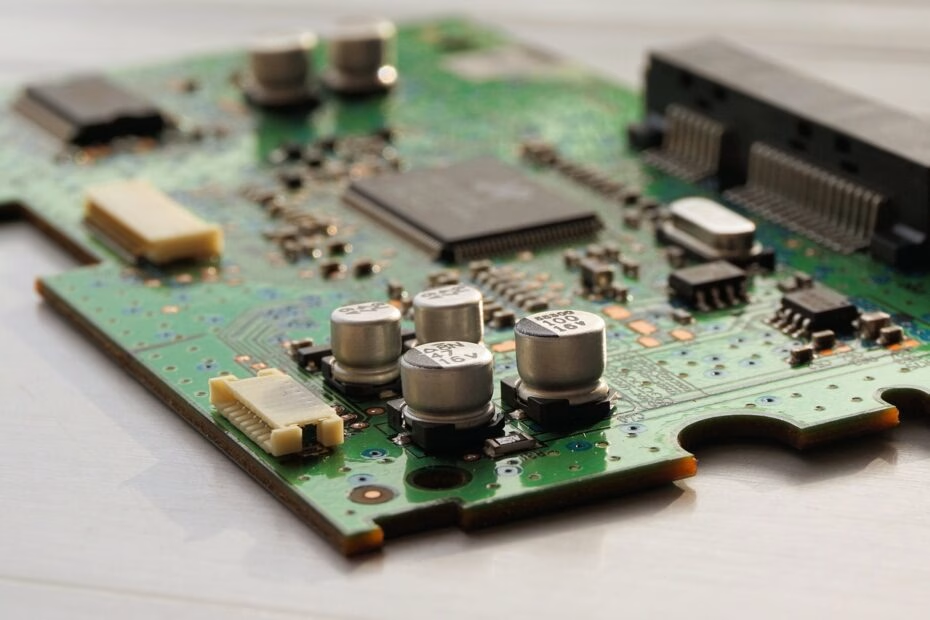
Through precise circuit design and component integration, PCBA (Printed Circuit Board Assembly), the "nerve center" of electronic devices, makes signal processing, power distribution, and functional control possible. Numerous procedural and technical difficulties in its process have an immediate effect on [...]

Flexible PCB assembly attaches components to a flexible printed circuit while controlling support, heat exposure and mechanical stress. A flex circuit can fit a compact shape, but it cannot be folded or twisted without limits. The intended bend conditions should [...]
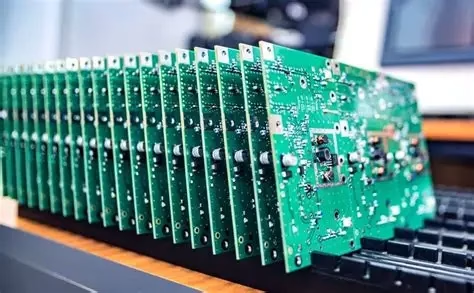
Printed Circuit Board Assembly (PCBA) is attaching electronic components to a PCB to form a functional circuit, combining precision engineering, automation, and strict quality control.
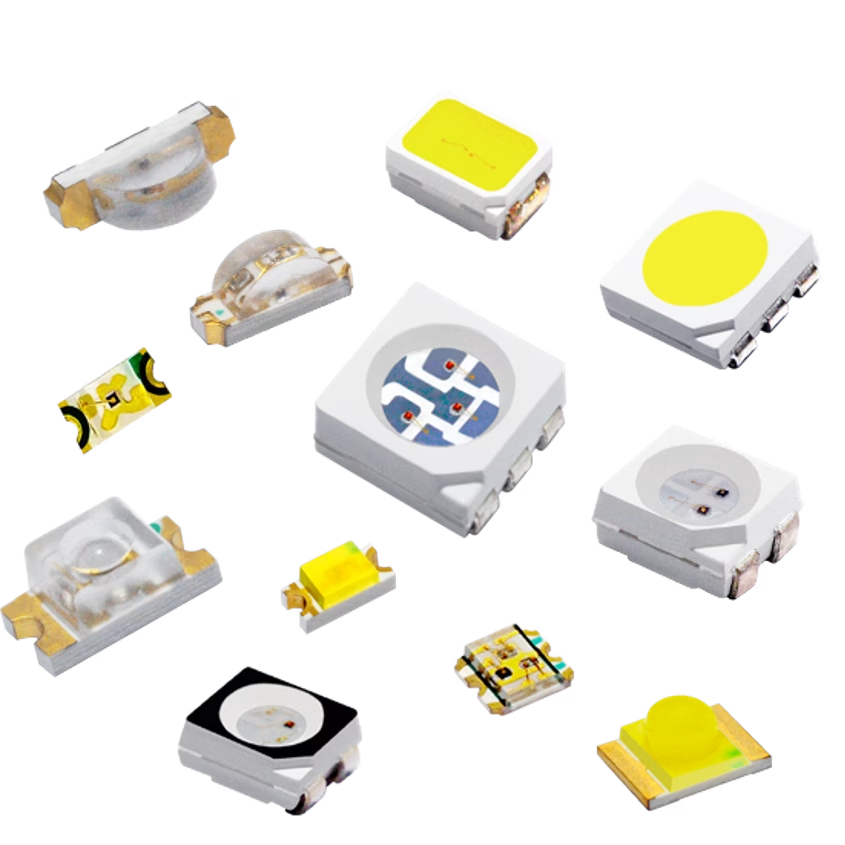
SMD LEDs with integrated ICs come in a variety of varieties. They can be used to satisfy the demands of different people and serve a variety of purposes.

PCB surface finishes shield circuits from damage in harsh environments or during long-term storage. Proper coatings boost solderability and extend board lifespan.

PCB assembly cost drivers: complexity, component choices, order volume, manufacturing region, assembly processes. Optimizing these cut costs, boosts efficiency and enhances quality.
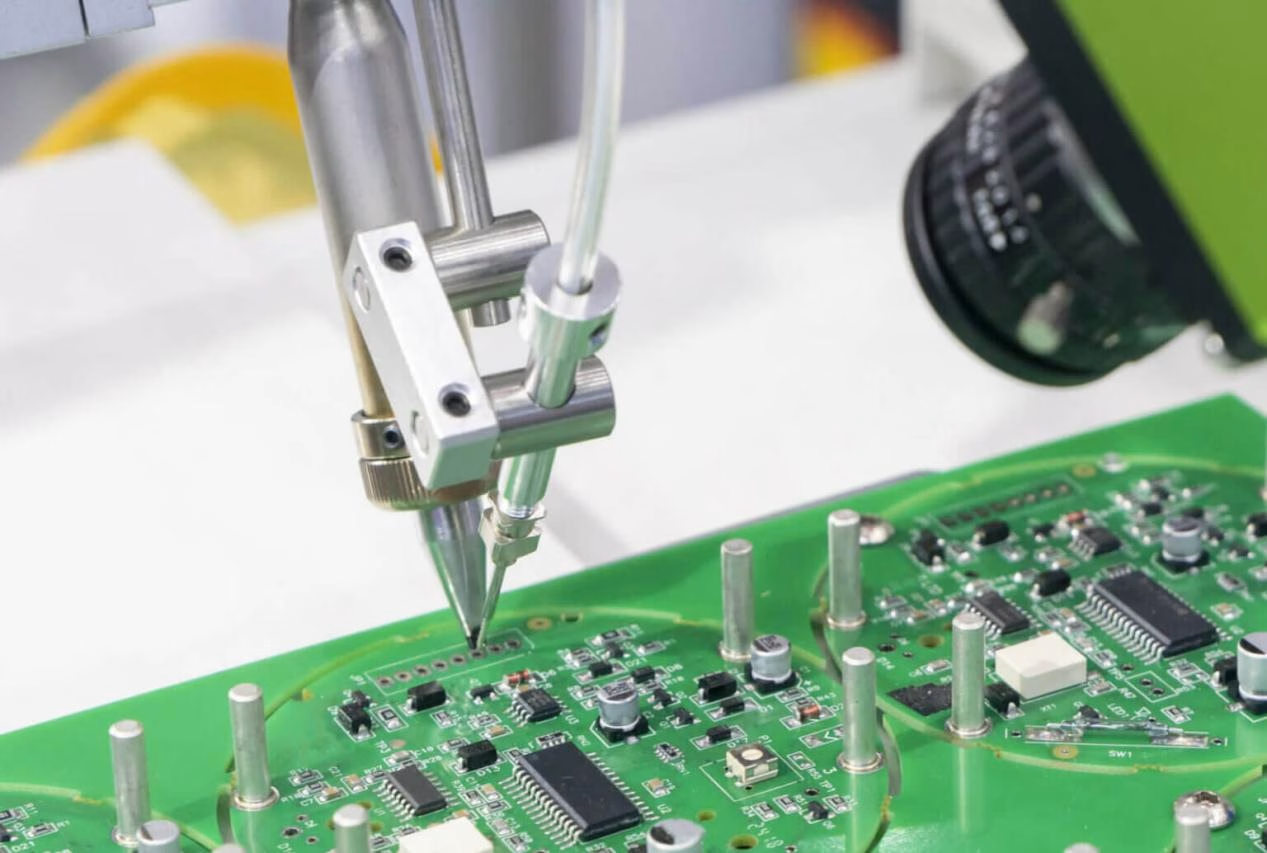
PCBA testing combines process inspection, electrical measurements and functional checks to assess an assembled circuit board. SPI, AOI and X-ray examine different physical features; in-circuit testing and functional testing answer different electrical questions. No single method establishes complete product [...]
Blog Category
