
|
Images
|
Mfr.Part #
|
In Stock
|
Manufacturer
|
Description
|
Package
|
|---|---|---|---|---|---|
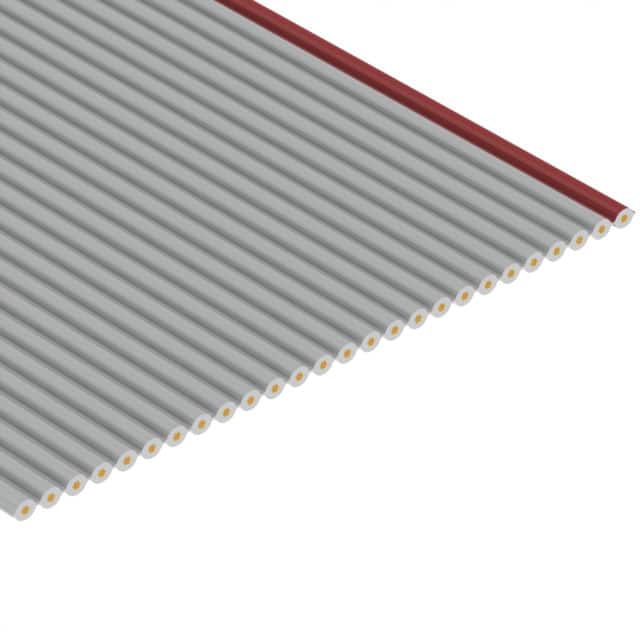
|
3539/26 100 | 23868 | 3M | CBL RIBN 26COND 0.05 GRAY 100' | Spool |
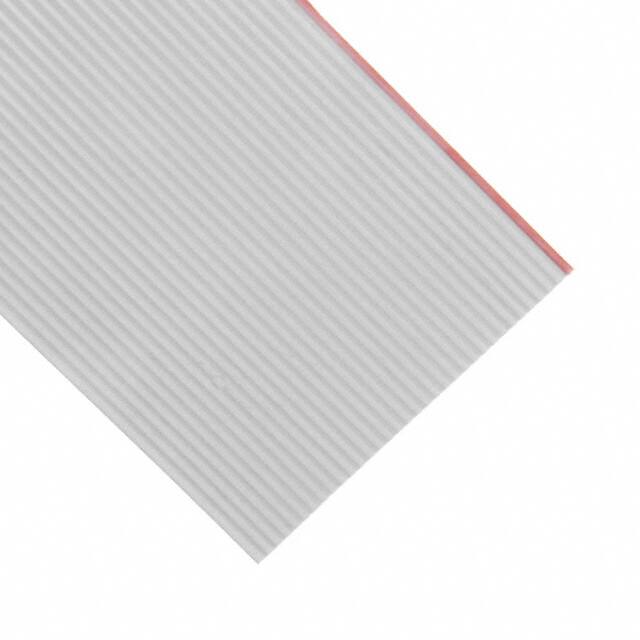
|
3625/34 100M | 28506 | 3M | CBL RIBN 34COND 0.039 GRY 328.1' | Spool |
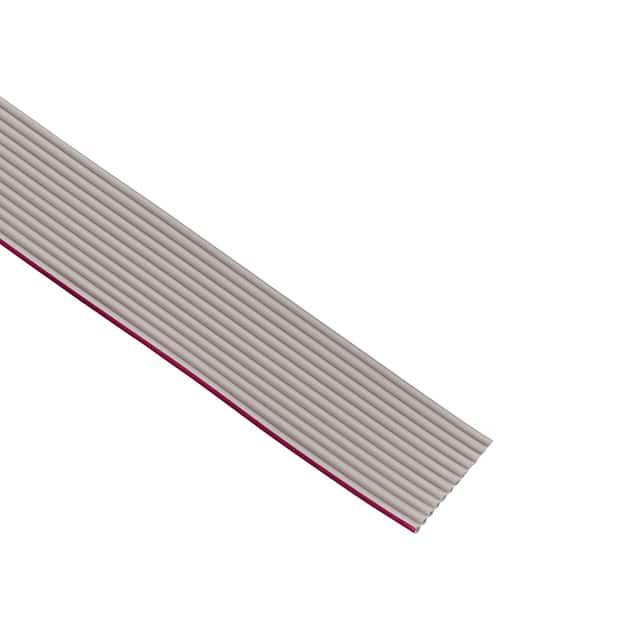
|
63911415521CAB | 3882 | Würth Elektronik | CBL RIBN 14COND 0.05 GRAY 3.28' | Bag |
|
|
63910615521CAB | 27838 | Würth Elektronik | CBL RIBN 6COND 0.05 GRAY 3.28' | Bag |
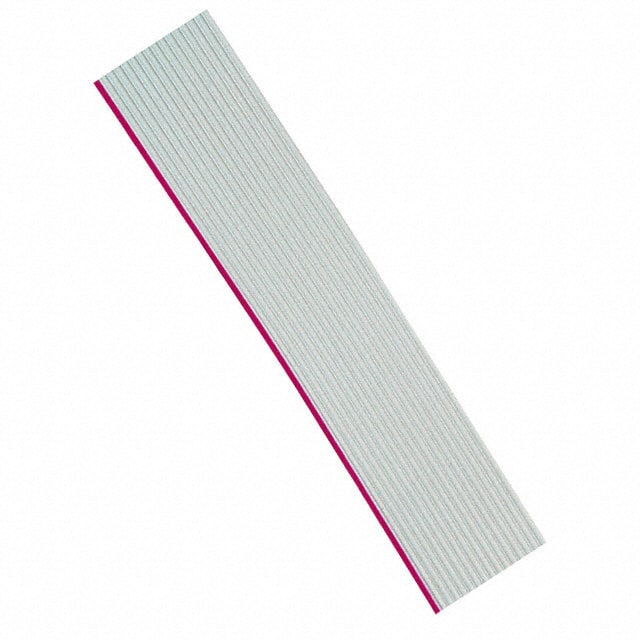
|
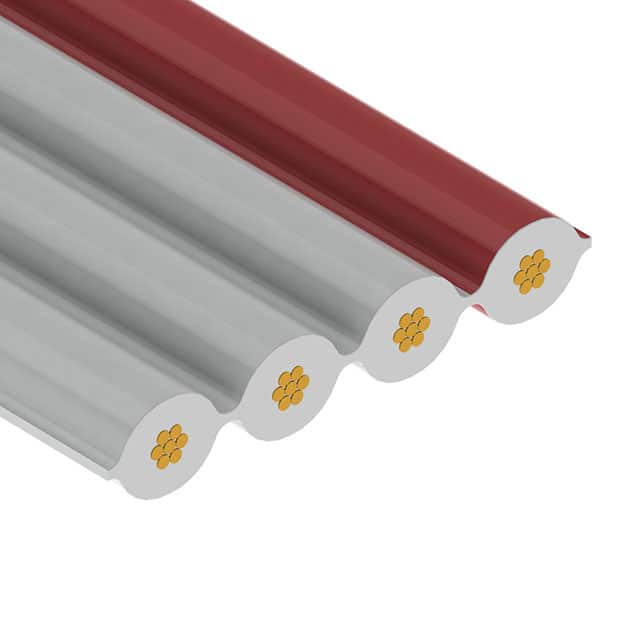
AWG28-15/G/300 | 28884 | Assmann WSW Components | CBL RIBN 15COND 0.05 GRAY 25' | Bulk |
|
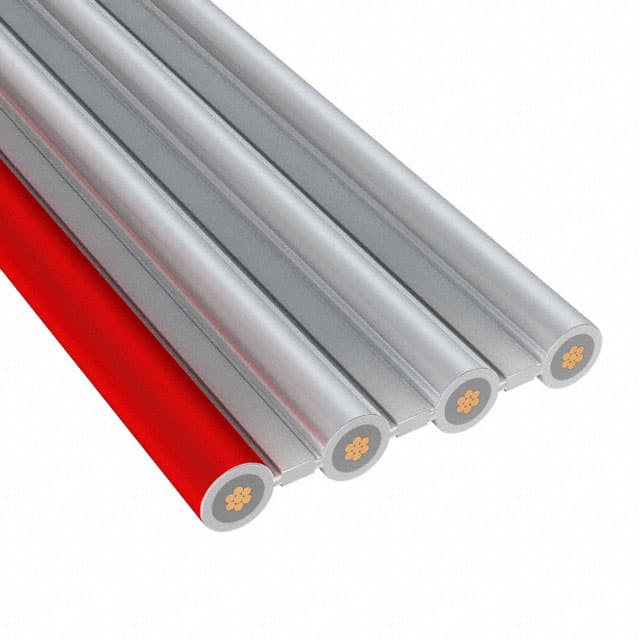
3801/04 | 13916 | 3M | CBL RIBN 4COND 0.05 GRAY 50' | Bulk |
|
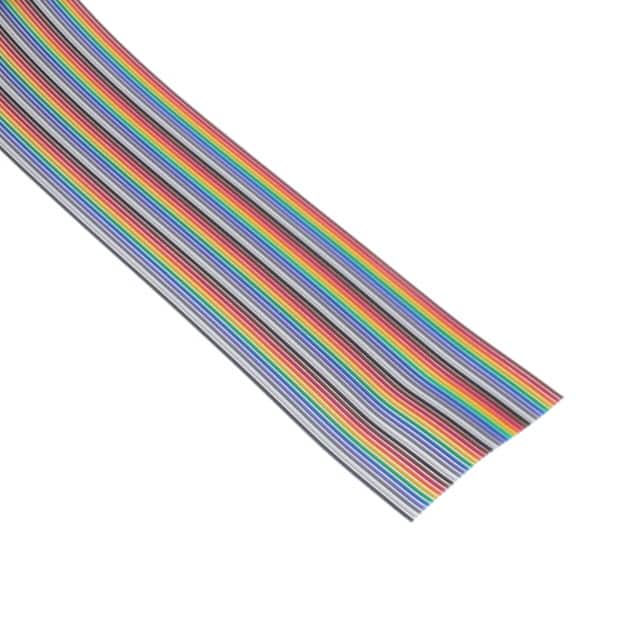
8125/04 100 | 29003 | 3M | CBL RIBN 4COND 0.1 GRAY 10' | Bulk |
|
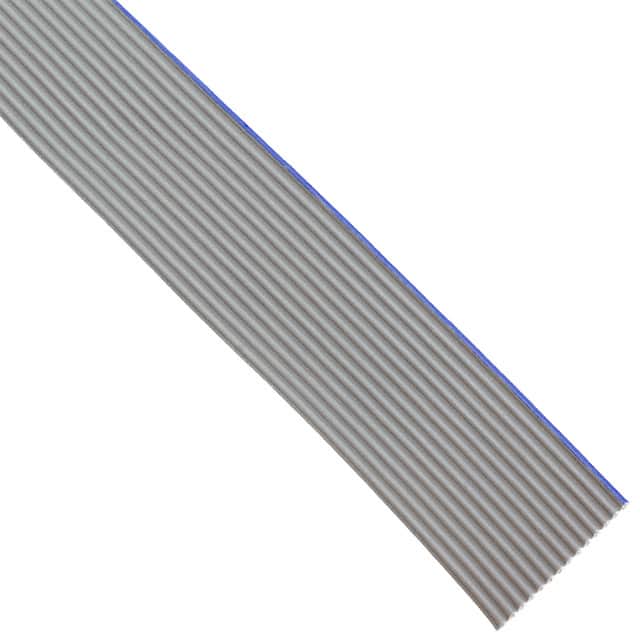
3811/40 300 | 19143 | 3M | CBL RIBN 40COND 0.05 MULTIPLE 5' | Bulk |
|
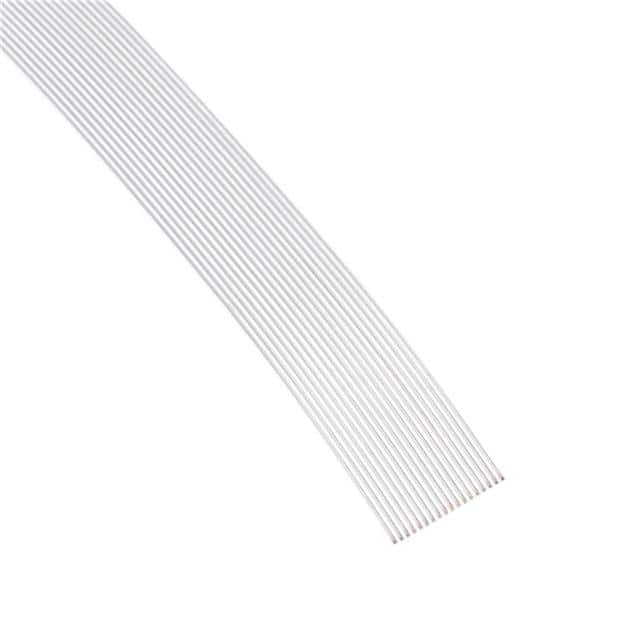
HF539/14 | 27581 | 3M | CBL RIBN 14COND 0.05 GRAY 5' | Box |
|
1000570486 | 35505 | Molex | CBL RIBN 18COND 0.025 NATURAL 1' | Bulk |

|
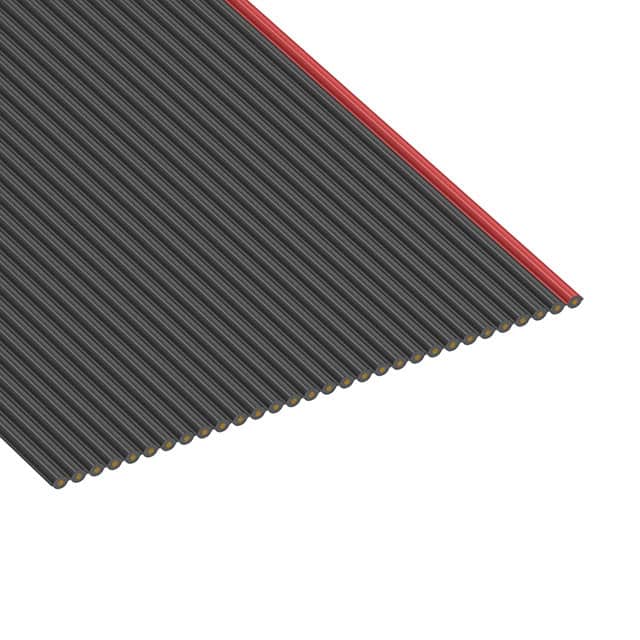
3601/20 100 | 26163 | 3M | CBL RIBN 20COND 0.05 BLUE 1' | Bulk |
|
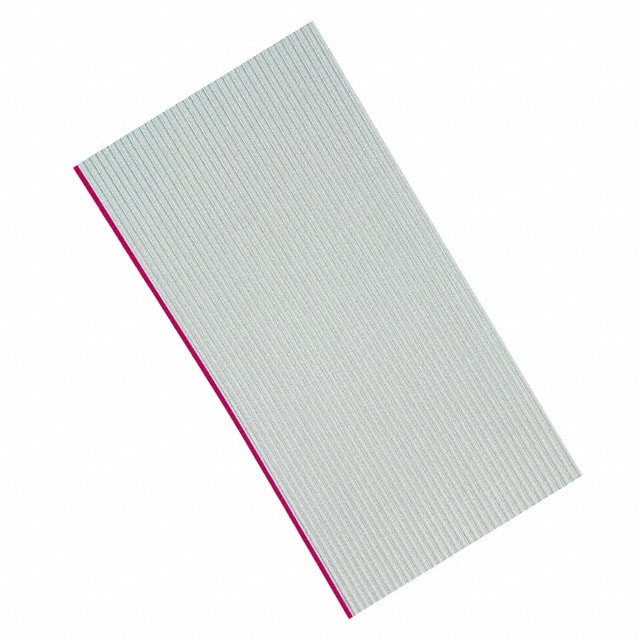
3319/30 100 | 18935 | 3M | CBL RIBN 30COND 0.05 BLACK 1' | Bulk |
|
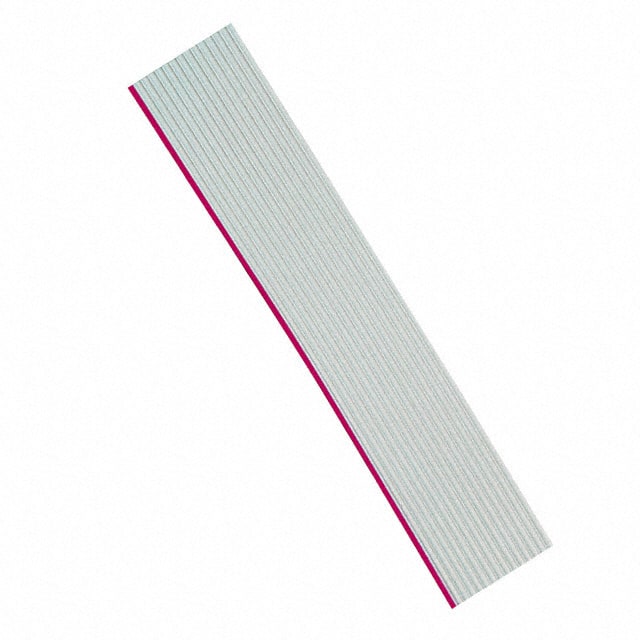
AWG28-37/G/300 | 19555 | Assmann WSW Components | CBL RIBN 37COND 0.05 GRAY 10' | Bulk |
|
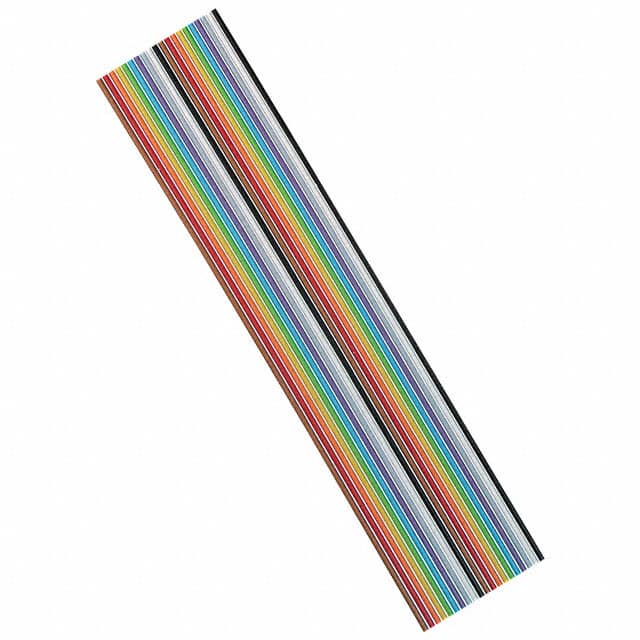
AWG28-14/G/300 | 37217 | Assmann WSW Components | CBL RIBN 14COND 0.05 GRAY 25' | Bulk |
|
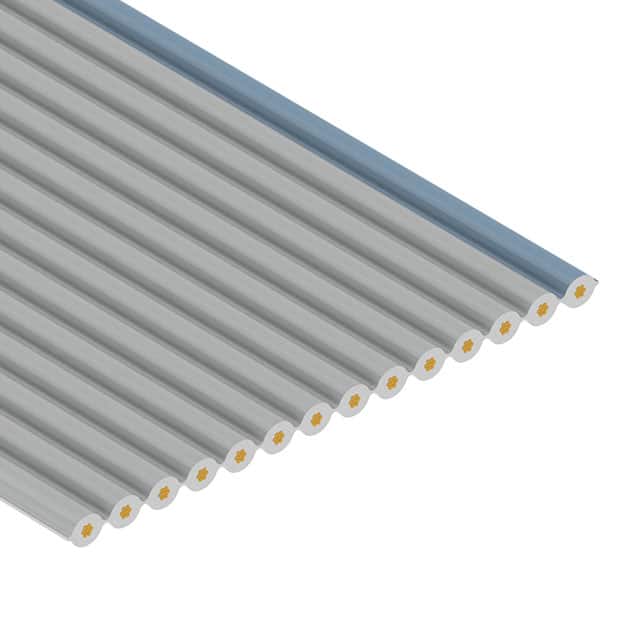
AWG28-20/F/300 | 37638 | Assmann WSW Components | CBL RIBN 20COND 0.05 MULTI 10' | Bulk |
|
3355/14 100 | 7629 | 3M | CBL RIBN 14COND 0.05 GRAY 10' | Bulk |

|
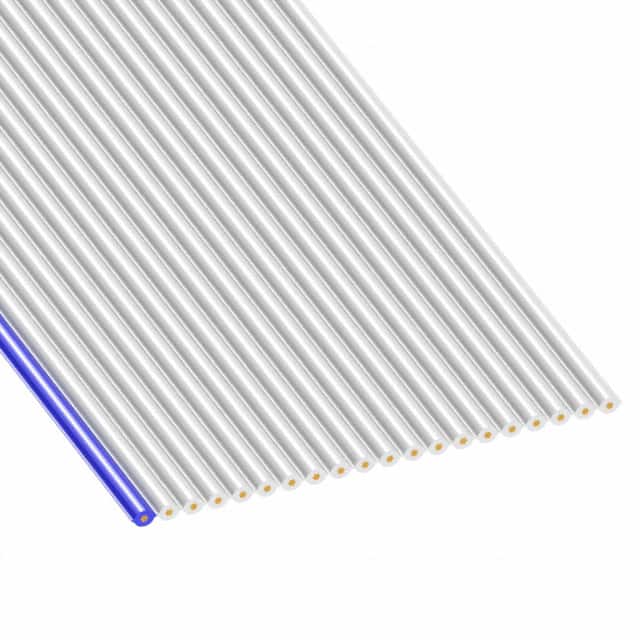
AWG28-40/G/300 | 36298 | Assmann WSW Components | CBL RIBN 40COND 0.05 GRAY 10' | Bulk |
|
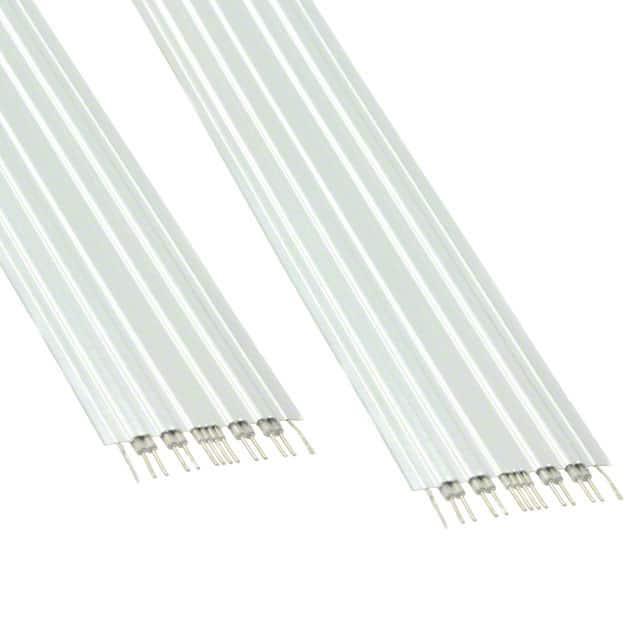
3609/20 100 | 19351 | 3M | CBL RIBN 20COND 0.025 WHITE 100' | Spool |
|
SL8801/12-111A5-00 | 6941 | 3M | CBL RIBN 8 COND 0.093 SIL 1.33' | Bulk |
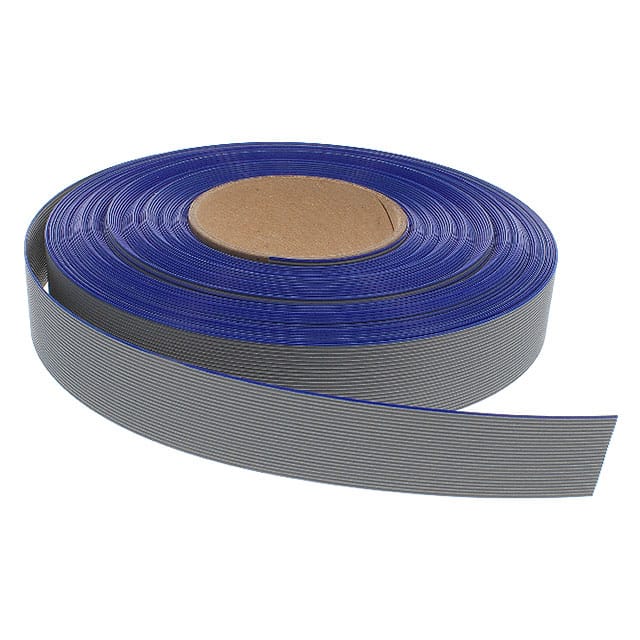
|
HF319/25 100 | 15430 | 3M | CBL RIBN 25COND 0.05 GRAY 1' | Bulk |

Flat Ribbon Cables
Flat Ribbon Cables have become a common wiring solution in industrial automation, electronic equipment, and other fields due to their compactness, flexibility, and reliability.
1. What are the Basic Structure of Flat Ribbon Cables?
Conductor: Usually composed of multiple parallel tinned soft copper wires, such as 7-stranded conductors, to improve conductivity and flexibility.
Insulation Layer: Made of materials such as soft PVC or FEP (fluorinated ethylene propylene), it is heat-resistant and oil-resistant, and can maintain the integrity of the insulation layer when torn.
Band Form: The conductors are arranged side by side in a flat form to form a "ribbon" structure, and high-density connectors can be connected at both ends to save equipment space.
2. What are the Core Features of Flat Ribbon Cables?
High Flexibility: It can be easily bent and curled, suitable for scenes that require frequent movement such as robotic arms and robots.
Anti-interference: Through twisted conductors and shielding design, electromagnetic interference is reduced, suitable for signal transmission.
Environmental Resistance: Some models support oil resistance and high-temperature resistance (such as environments below 80 °C).
3. Where are Flat Ribbon Cables Used?
Internal Wiring of Electronic Equipment: such as computer wiring, signal, and power connection in industrial control equipment.
High-speed Motion Equipment: used for power or signal transmission modules that need to be frequently moved in automation equipment.
Oil-resistant Environment: scenarios that need to be exposed to oil in automobiles or industrial machinery.
4. What are the Differences Compared to FFC (Flexible Flat Cable)?
Structural Difference: Flat Ribbon Cables are usually a flat arrangement of independent wires, and the outer material is mostly PVC or FEP; while FFC is thinner, with integrated conductors on a flexible substrate (such as polyimide), suitable for high-density connections.
Termination Method: Flat Ribbon Cables are commonly terminated with standard IDC (insulation displacement connector); FFC mostly uses ZIF (zero insertion force) connectors.
Application Focus: Flat Ribbon Cables are more used for medium and low-speed signal or power transmission; FFC tends to be more high-frequency, high-density scenarios (such as inside mobile devices).
5. How to Choose Flat Ribbon Cables?
Conductor Quantity and Spacing: Select the number of conductors (such as 5 to 50 circuits) and spacing (such as 0.5mm and 1.0mm) according to the equipment requirements.
Environmental Adaptability: Parameters such as oil resistance and temperature resistance need to be considered.