
|
Images
|
Mfr.Part #
|
In Stock
|
Manufacturer
|
Description
|
Package
|
|---|---|---|---|---|---|
|
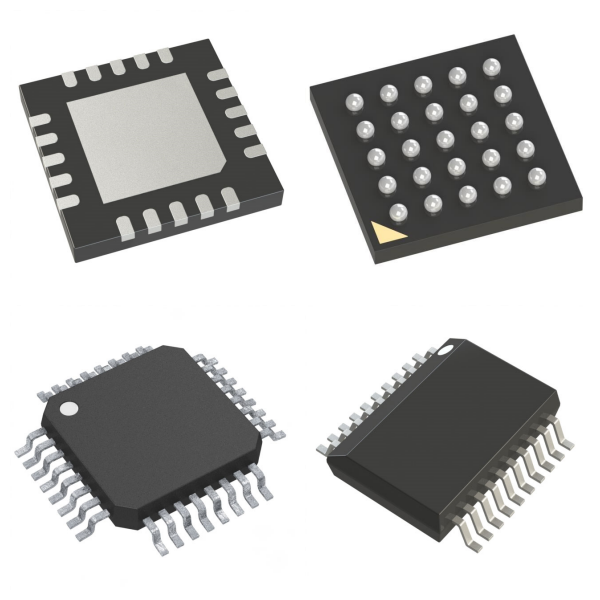
AFE2256GRTDR | 89656 | Texas Instruments | PROTOTYPE | Module |
|
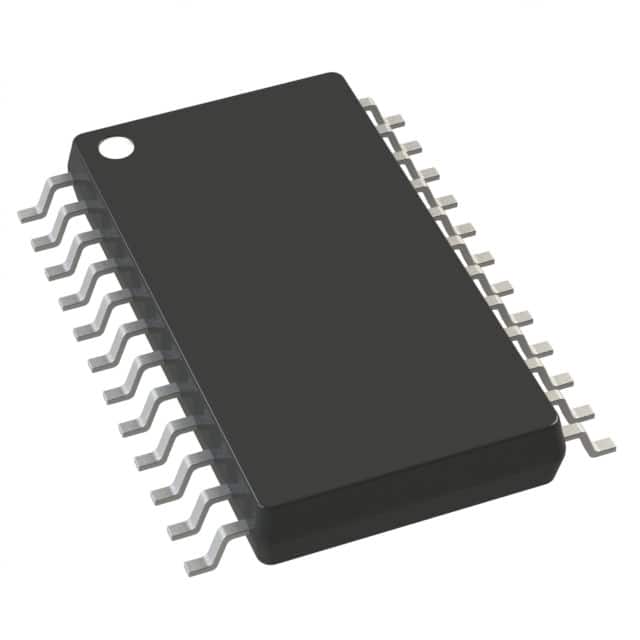
AD7730LBRUZ | 95408 | Analog Devices Inc. | IC AFE 1 CHAN 24BIT 24TSSOP | 24-TSSOP (0.173", 4.40mm Width) |
|
|
LMP91050MMX/S7002917 | 37524 | Texas Instruments | PROTOTYPE | 10-TFSOP, 10-MSOP (0.118", 3.00mm Width) |
|
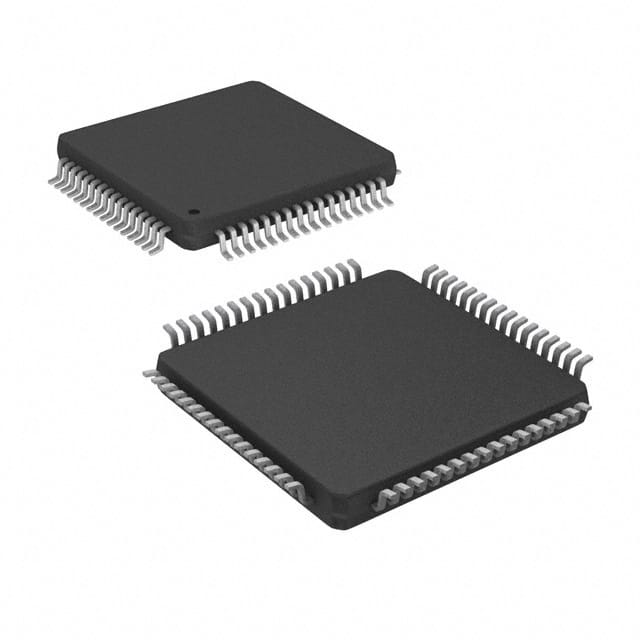
ADS131E08IPAG | 34850 | Texas Instruments | IC AFE 8 CHAN 16/24BIT 64TQFP | 64-TQFP |
|
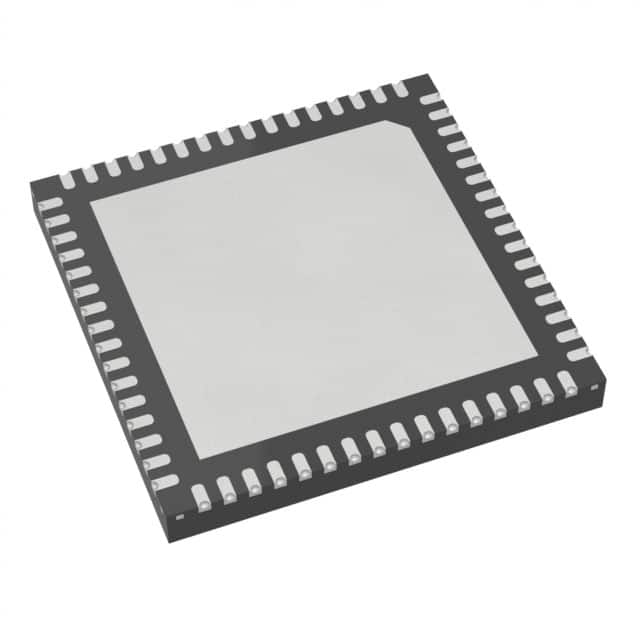
NAFE11388B40BSK | 27039 | NXP USA Inc. | IC 8-IN LOW-POWER 25V AFE | 64-VFQFN Exposed Pad |
|
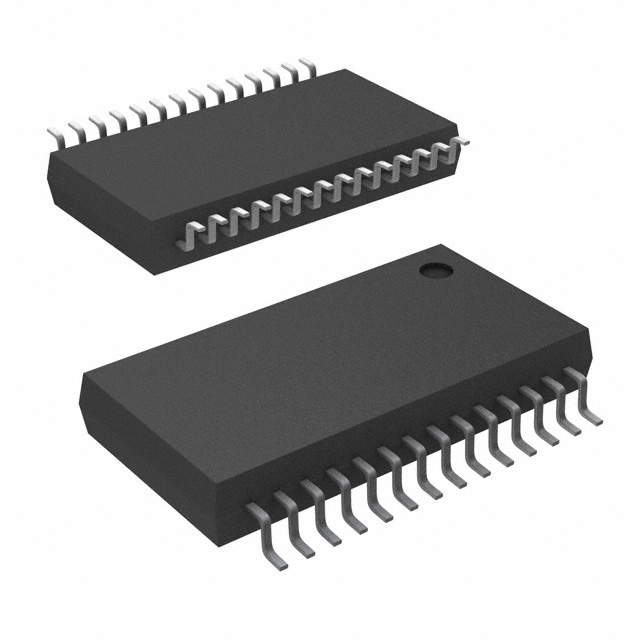
AFE1124E | 59803 | Texas Instruments | IC AFE 1 CHAN 14BIT 28SSOP | 28-SSOP (0.209", 5.30mm Width) |
|
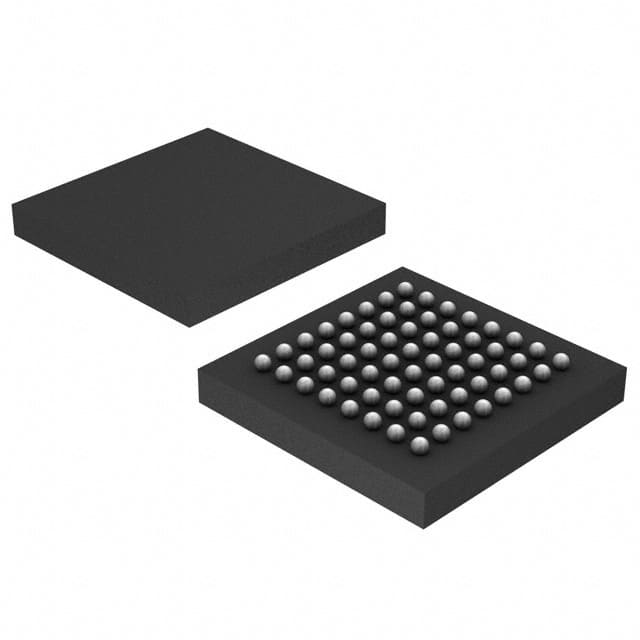
ADS1298RIZXGR | 83695 | Texas Instruments | IC AFE 8 CHAN 24BIT 64NFBGA | 64-LFBGA |
|
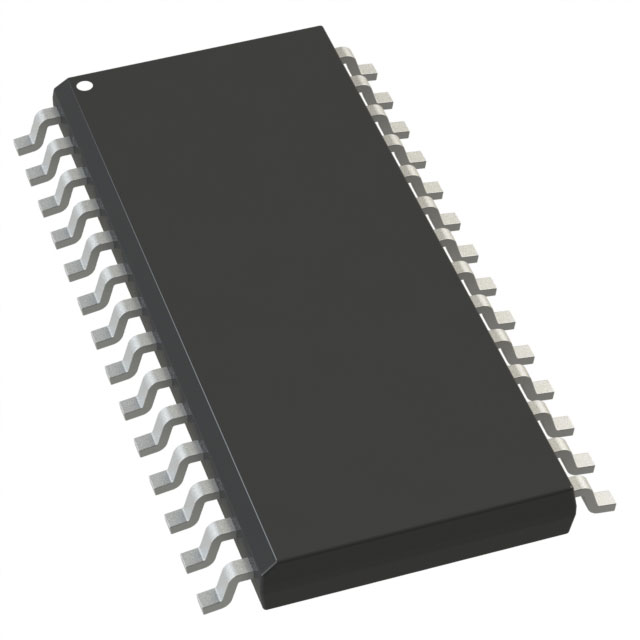
AD73322LARU-REEL | 89524 | Analog Devices Inc. | IC ANALOG FRONT END DUAL 28TSSOP | 28-TSSOP (0.173", 4.40mm Width) |
|
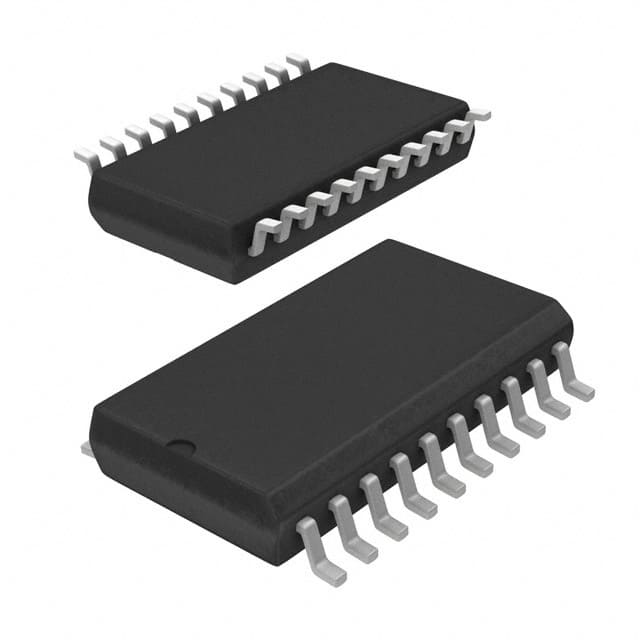
XRD98L23ACDTR-F | 84985 | MaxLinear, Inc. | IC AFE 3 CHAN 8BIT 20SOIC | 20-SOIC (0.295", 7.50mm Width) |
|
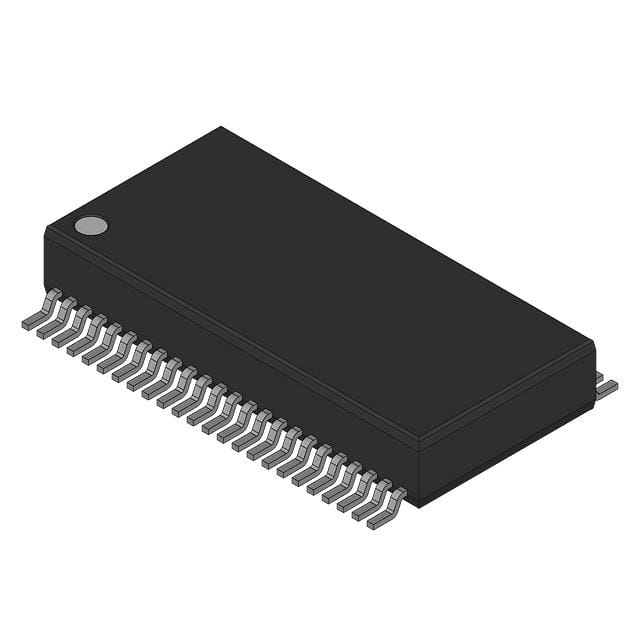
AFE1105E/1K | 33282 | Burr Brown | DIGITAL SLIC, 1-FUNC, CMOS | 48-BSSOP (0.295", 7.50mm Width) |
|
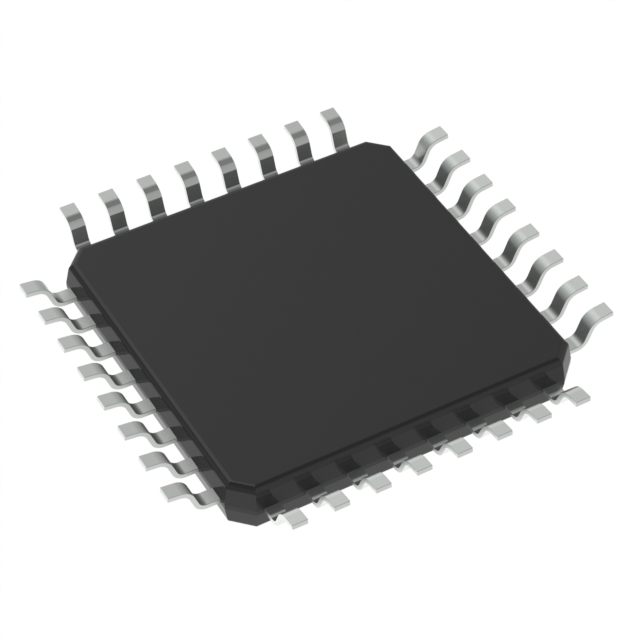
ATSENSE301A-AU | 52685 | Microchip Technology | IC AFE 7 CHAN 24BIT 32TQFP | 32-TQFP |
|
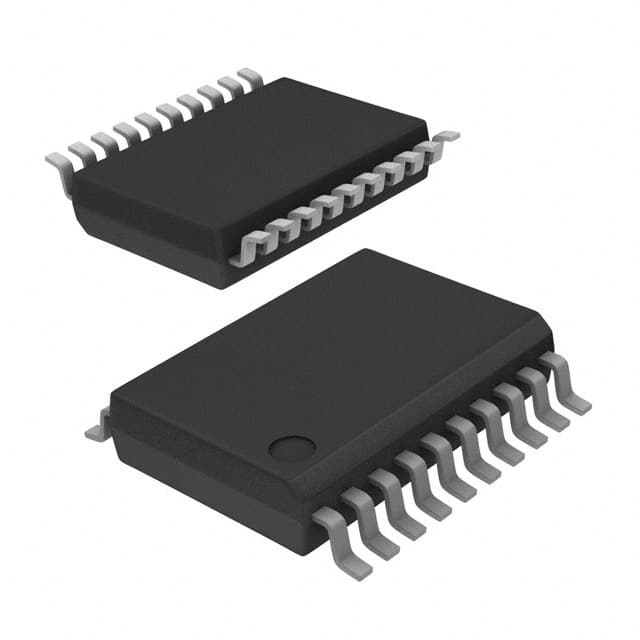
XRD9824ACU | 37742 | MaxLinear, Inc. | IC AFE 3 CHAN 14BIT 20SSOP | 20-SSOP (0.209", 5.30mm Width) |
|
|
ADS1294IPAGR | 11981 | Texas Instruments | IC AFE 4 CHAN 24BIT 64TQFP | 64-TQFP |
|
|
XRD98L23ACD-F | 11821 | MaxLinear, Inc. | IC AFE 3 CHAN 8BIT 20SOIC | 20-SOIC (0.295", 7.50mm Width) |
|
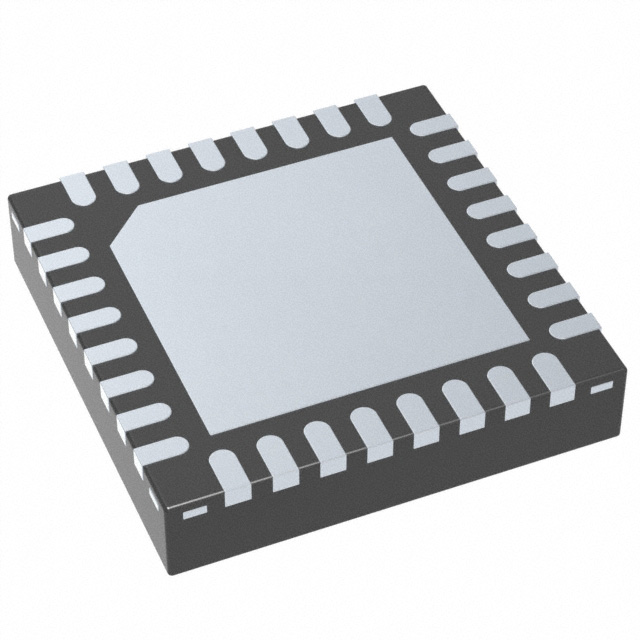
ADS1292RIRSMR | 17392 | Texas Instruments | IC AFE 2 CHAN 24BIT 32VQFN | 32-VFQFN Exposed Pad |
|
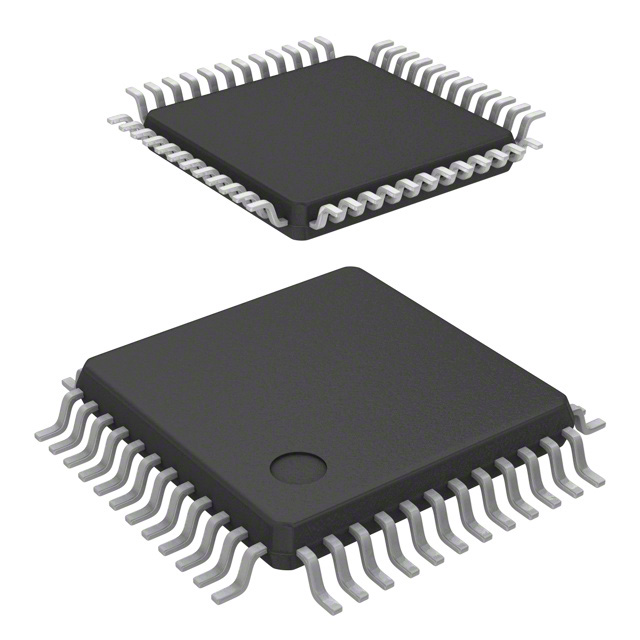
XRD98L63AIV-F | 43849 | MaxLinear, Inc. | IC AFE 1 CHAN 12BIT 48TQFP | 48-TQFP |
|
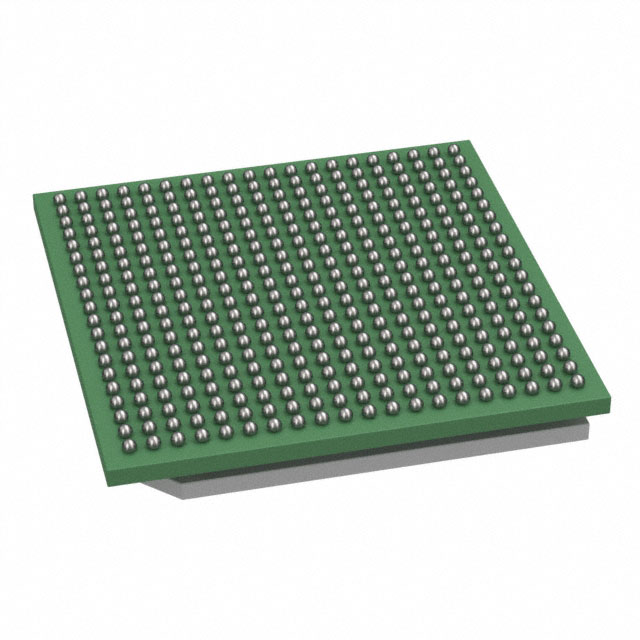
AFE7685IABJ | 42173 | Texas Instruments | IC AFE 4 CHAN 14BIT 400FCBGA | 400-FCBGA |
|
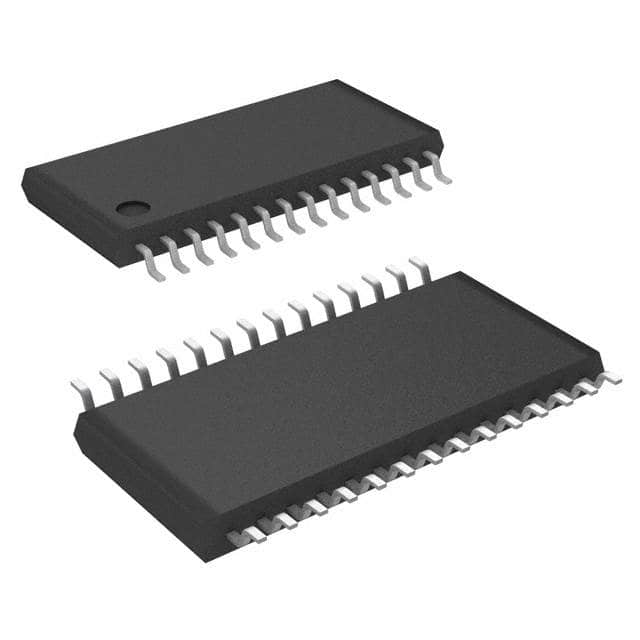
XRD98L59AIGTR-F | 6779 | MaxLinear, Inc. | IC AFE 1 CHAN 10BIT 28TSSOP | 28-TSSOP (0.173", 4.40mm Width) |
|
|
LMP90099MHX/NOPB | 26269 | Texas Instruments | IC AFE 1 CHAN 24BIT 28TSSOP | 28-TSSOP (0.173", 4.40mm Width) |
|
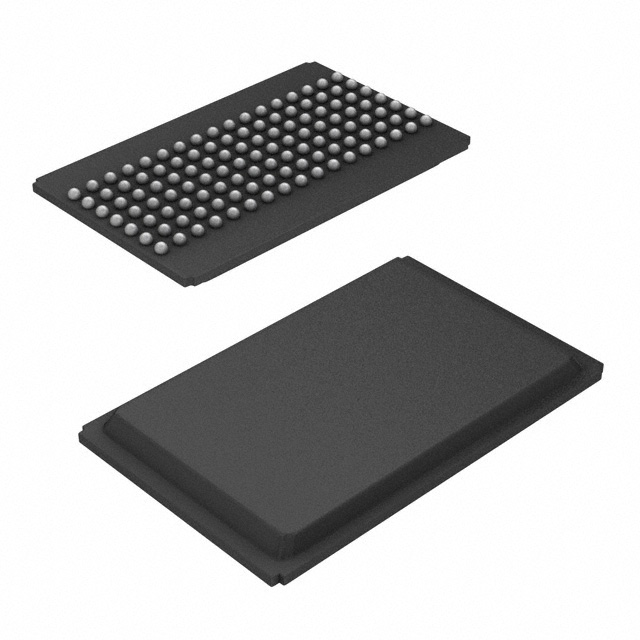
AD73411BB-40 | 76825 | Analog Devices Inc. | IC ANALOG FRONT END W/DSP 119BGA | 119-BBGA |

Analog Front End (AFE)
1. What is Analog Front End (AFE)?
Analog Front End (AFE) is a key component for processing analog signals in electronic systems. It is located between the sensor/signal source and the digital processor and is responsible for converting the original analog signal into a high-quality, processable digital signal. Its core function is to solve the problems of analog signals being susceptible to noise interference and low amplitude, and to provide a reliable input basis for digital systems.
2. What are the Core Functions of Analog Front End (AFE)?
1) Signal Conditioning
Amplification: Increase the amplitude of weak analog signals and enhance system sensitivity.
Filtering: Eliminate noise and interference through hardware or digital filtering to improve the signal-to-noise ratio.
2) Analog-to-Digital Conversion (ADC)
Built-in high-precision ADC discretizes the conditioned analog signal into a digital signal. The sampling rate directly affects the accuracy of signal restoration.
3) Preprocessing
Some AFEs integrate simple digital processing units (such as FFT and baseline correction) to reduce the burden on the main processor.
3. What are the Structural Features of Analog Front End (AFE)?
Highly Integrated
Amplifiers, filters, ADCs, reference voltage sources, excitation circuits, and other modules are integrated into a single chip to simplify system design.
Mixed Signal Architecture
Based on analog circuits, supplemented by a small amount of digital control logic (such as multiplexers and state machines).
Flexible Interface
Supports digital interfaces such as I²C and SPI (such as ISO-SPI for BMS daisy chain communication), compatible with various MCUs or processors.
4. What are Analog Front End (AFE) Used for?
Battery management system (BMS)
Collect cell voltage/temperature, and the accuracy directly affects SOC estimation.
Built-in passive balancing circuit to balance the battery pack through resistor discharge.
High-speed Communication Interface
Processes high-speed signal transmission and reception in protocols such as PCIe, and integrates equalizer (Equalizer) and clock data recovery (CDR) modules.
Precision Measurement System
Used in industrial sensors, medical equipment, etc., to achieve high-resolution acquisition of weak analog signals.
5. Key Parameters Selection for Analog Front End (AFE)
|
Parameter |
Description |
|
Resolution |
The number of ADC bits (such as 16bit), which determines the signal quantization accuracy |
|
Sampling Rate |
Affects the signal restoration capability and must meet the Nyquist theorem |
|
Power Consumption |
Especially critical for portable devices, related to the ADC architecture (Δ-Σ/pipeline type) |
|
Integrated Functions |
Such as built-in PGA (programmable gain amplifier), temperature sensor, reference source, etc. |
6. Development Trend of Analog Front End (AFE)
The new generation of AFE continues to evolve towards higher integration (such as MCU integration), lower power consumption (suitable for IoT devices), and intelligent signal processing (embedded AI pre-processing) to meet the needs of complex application scenarios.