
|
Images
|
Mfr.Part #
|
In Stock
|
Manufacturer
|
Description
|
Package
|
|---|---|---|---|---|---|
|
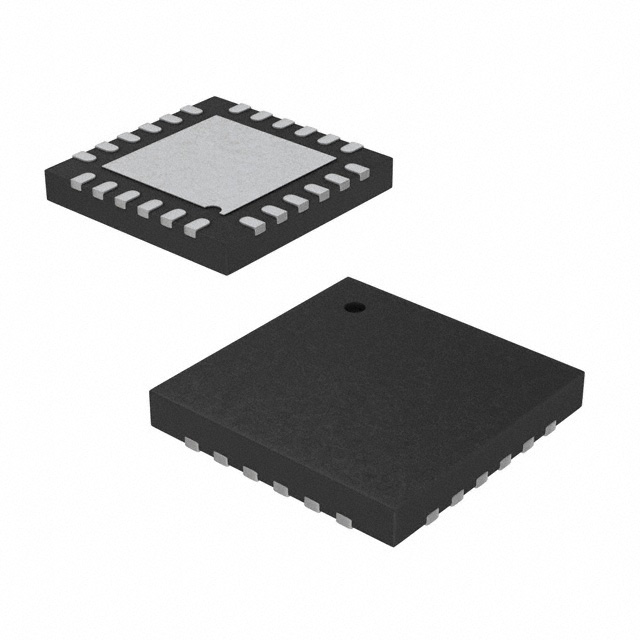
CY8C20396-24LQXIT | 28926 | Infineon Technologies | IC CAPSENSE 19 I/O 16K 24QFN | 24-UFQFN Exposed Pad |
|
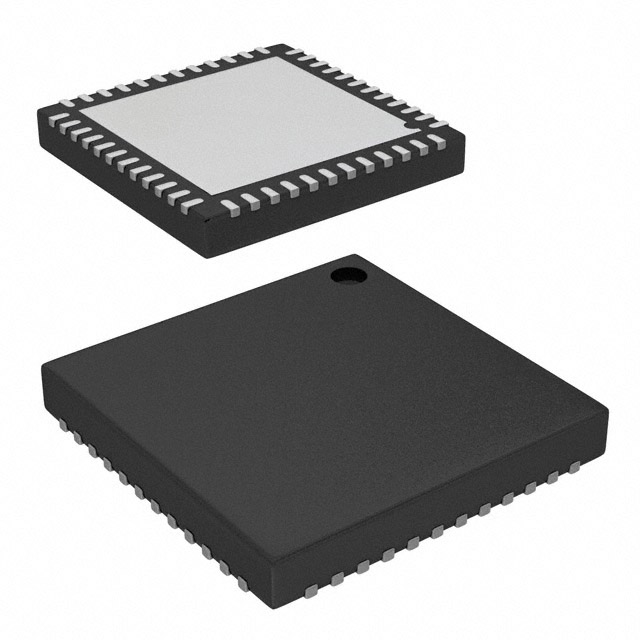
CY8CLED08-48LTXI | 44259 | Infineon Technologies | IC MCU 8BIT 16KB FLASH 48QFN | 48-VFQFN Exposed Pad |
|
|
CY8C20336-24LQXI | 27949 | Infineon Technologies | IC CAPSENSE 20 I/O 8K 24QFN | 24-UFQFN Exposed Pad |
|
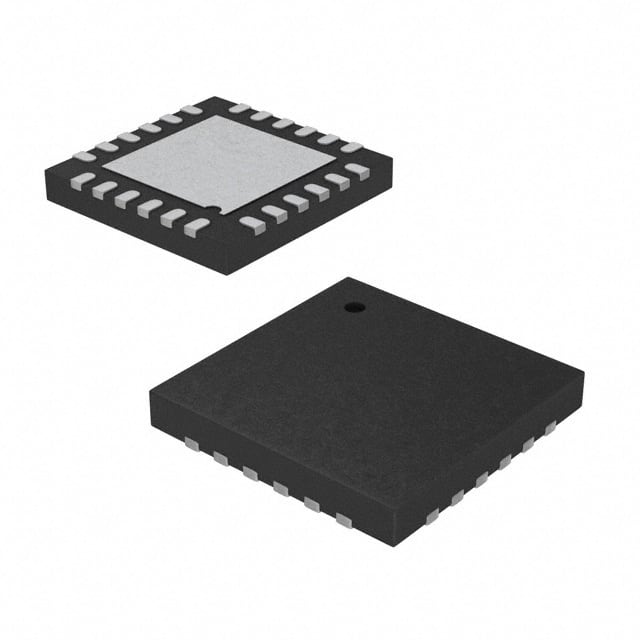
CY8CLED02-24LFXIT | 31134 | Infineon Technologies | IC MCU 8BIT 4KB FLASH 24QFN | 24-VFQFN Exposed Pad |
|
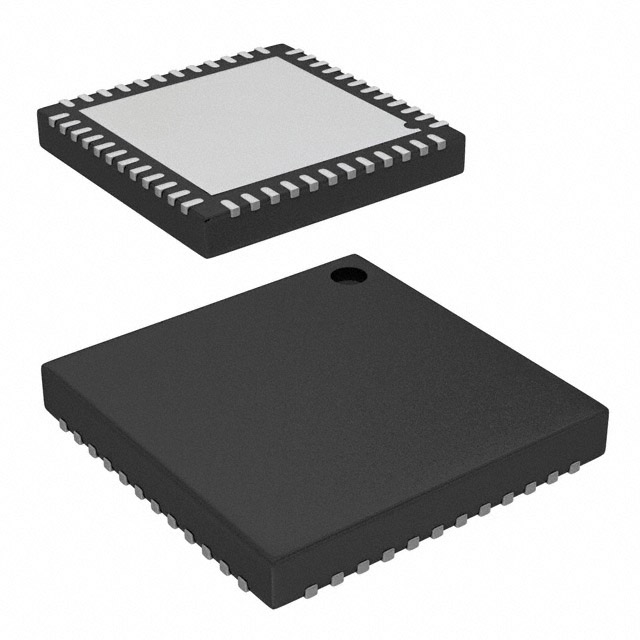
CY8C20646A-24LTXI | 39739 | Infineon Technologies | MCU 16K FLASH 2K SRAM 48QFN | 48-VFQFN Exposed Pad |
|
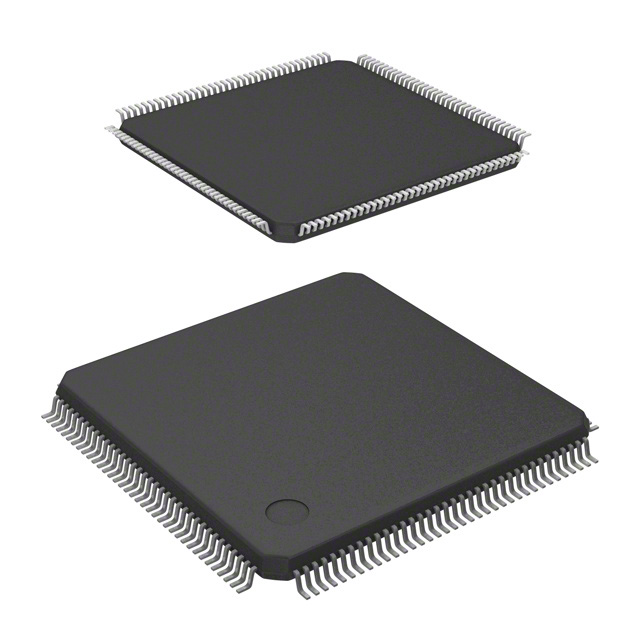
STA1052S1 | 19682 | STMicroelectronics | DSP/MCU SYSTEM 144-LQFP | 144-LQFP |
|
|
CY8C20346-24LQXI | 14395 | Infineon Technologies | IC CAPSENSE AP 16K 2048B 24QFN | 24-UFQFN Exposed Pad |
|
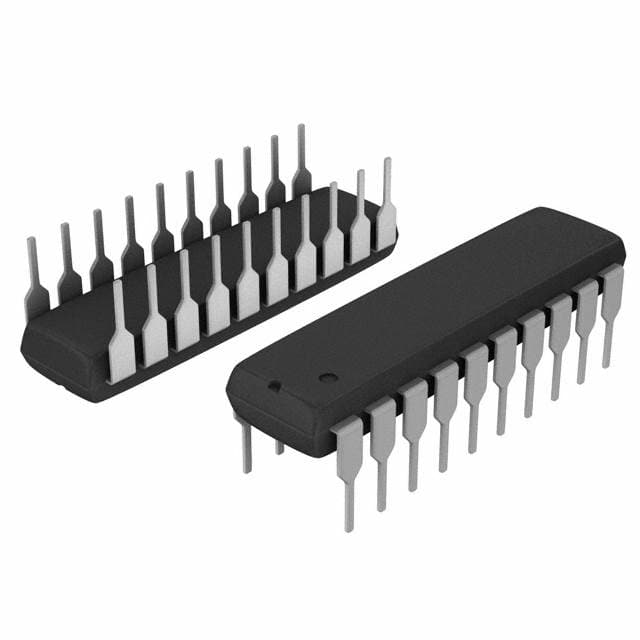
ZLFBLST0P2064GR5621 | 12246 | Analog Devices Inc./Maxim Integrated | IC 64K FLASH RC BLASTER 20DIP | 20-DIP (0.300", 7.62mm) |
|
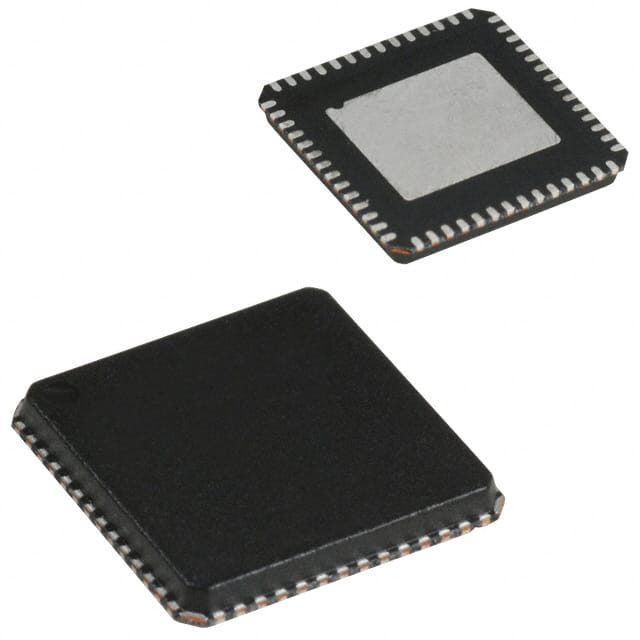
CY7C66113C-LTXC | 14616 | Infineon Technologies | IC MCU 8K USB HUB 4PORT 56VQFN | 56-VFQFN Exposed Pad |
|
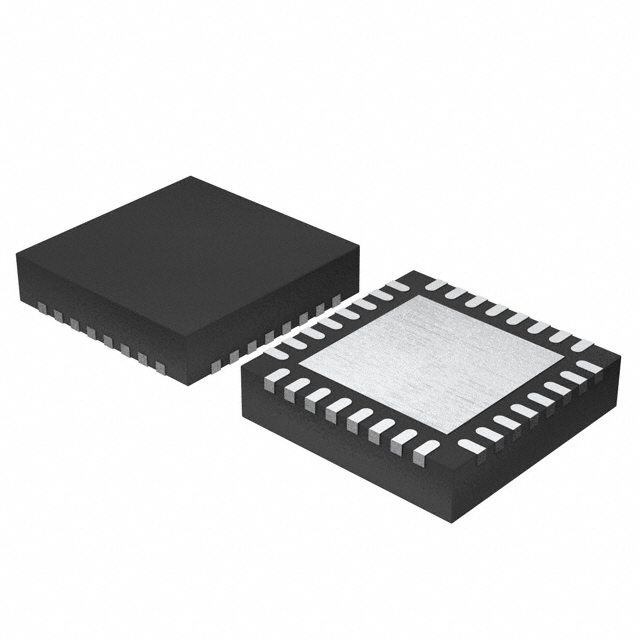
CY8CTST110-32LTXI | 42561 | Infineon Technologies | IC TRUETOUCH CAPSENSE 32-QFN | 32-VFQFN Exposed Pad |
|
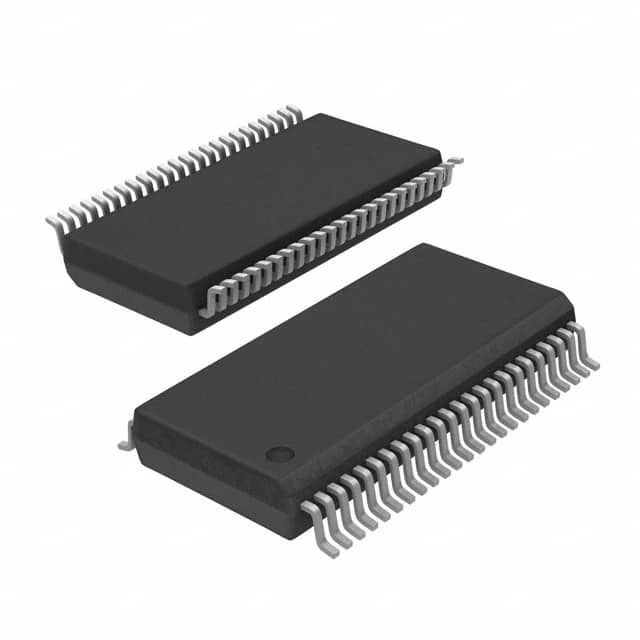
CY8CLED16-48PVXIT | 45486 | Infineon Technologies | IC MCU 8BIT 32KB FLASH 48SSOP | 48-BSSOP (0.295", 7.50mm Width) |
|
|
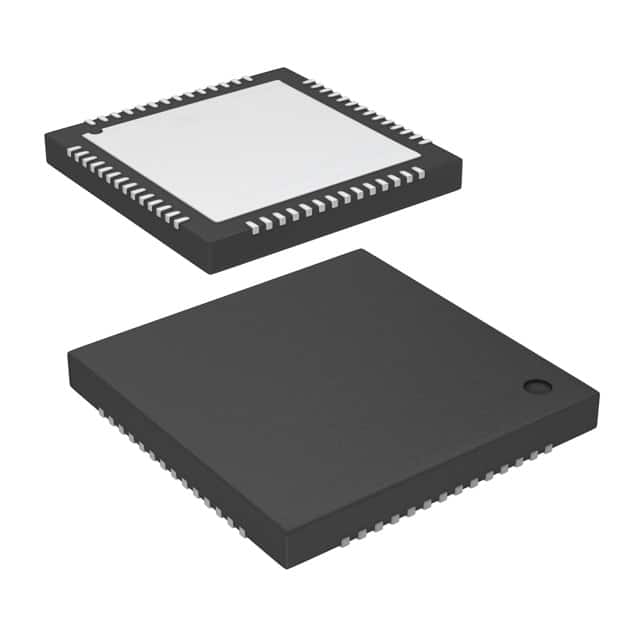
CY7C66113C-LTXCT | 13856 | Infineon Technologies | IC MCU 8K USB HUB 4PORT 56VQFN | 56-VFQFN Exposed Pad |
|
CY8CLED04DOCD1-56LTXI | 33208 | Infineon Technologies | IC MCU 8BIT 16KB FLASH 56VQFN | 56-VFQFN Exposed Pad |
|
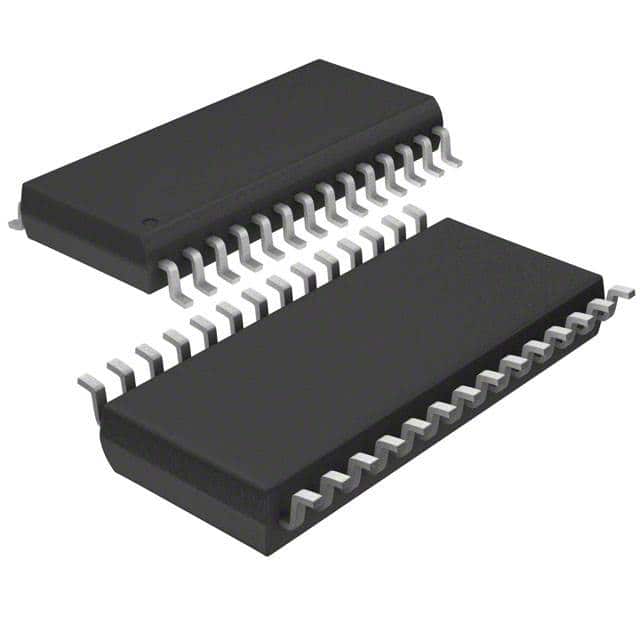
CY8CLED08-28PVXI | 20743 | Infineon Technologies | IC MCU 8BIT 16KB FLASH 28SSOP | 28-SSOP (0.209", 5.30mm Width) |
|
|
CY8CLED04D02-56LTXI | 24736 | Infineon Technologies | IC MCU 8BIT 16KB FLASH 56VQFN | 56-VFQFN Exposed Pad |
|
|
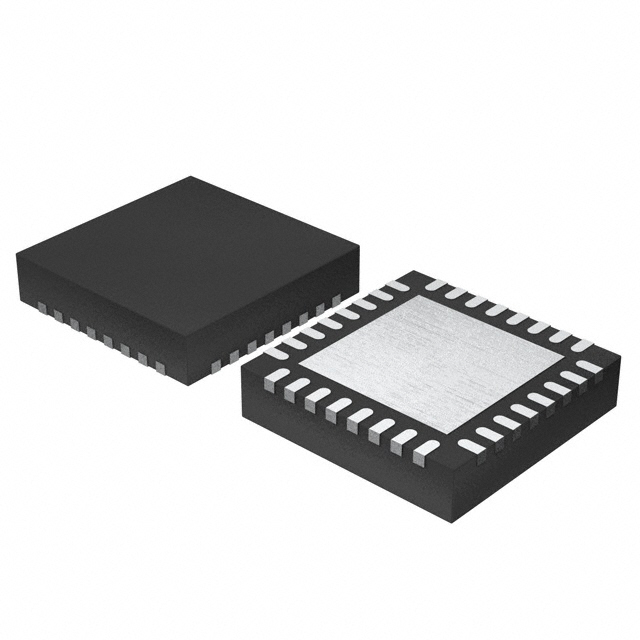
CY8CLED03D01-56LTXI | 42089 | Infineon Technologies | IC MCU 8BIT 16KB FLASH 56VQFN | 56-VFQFN Exposed Pad |
|
CY8C20446-24LQXIT | 17551 | Infineon Technologies | IC CAPSENSE AP 16K 2048B 32QFN | 32-UFQFN Exposed Pad |
|
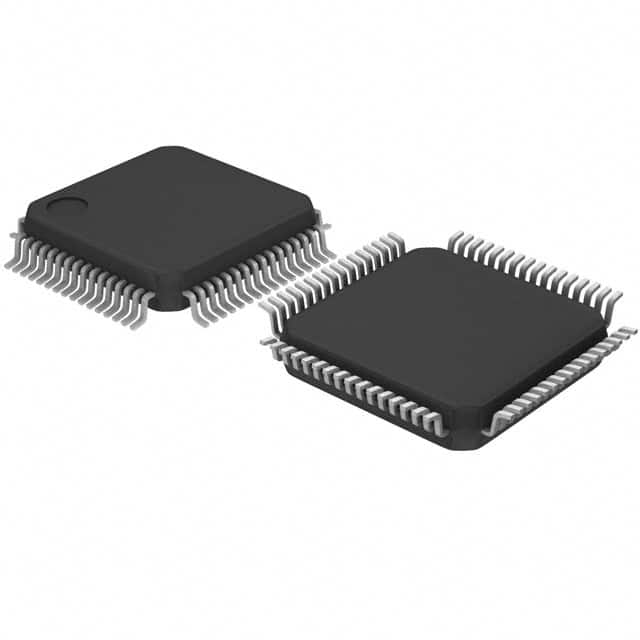
E-STA2051 | 37446 | STMicroelectronics | IC CTRLR BASEBAND 32BIT 64-TQFP | 64-LQFP |
|
|
CY7C64355-48LFXC | 33386 | Infineon Technologies | IC MCU USB ENCORE CONTROL 48QFN | 48-VFQFN Exposed Pad |
|
|
CY8CLED03D02-56LTXI | 46821 | Infineon Technologies | IC MCU 8BIT 16KB FLASH 56VQFN | 56-VFQFN Exposed Pad |

Application Specific Microcontrollers
Application-Specific Microcontrollers are microcontrollers (MCUs) that are deeply customized for specific fields or functional requirements. Unlike general-purpose MCUs, their hardware architecture, peripheral integration (such as ADC/DAC, communication interface), and power consumption design are optimized around the target scenario to achieve higher performance, lower power consumption, and lower system cost.
1. What are the Key Features of Application Specific Microcontrollers?
Customized Hardware Integration
Built-in dedicated IP cores (such as motor control modules and encryption engines) and precisely matched peripherals (high-precision ADC, specific communication protocol interfaces) to reduce external component dependence.
Performance and Energy Efficiency Advantages
Optimize computing units for algorithm-intensive tasks (such as real-time signal processing), improve processing efficiency and reduce power consumption, and are suitable for battery-powered devices.
High-reliability Design
Enhance the stability of harsh environments such as industrial control and automotive electronics through streamlined redundant functions and strict verification.
2. What are Application Specific Microcontrollers Used for?
|
Field |
Application Cases |
Core Requirements |
|
Consumer Electronics |
Smart wearable sensors, voice recognition devices |
Low power consumption, miniaturization, fast response |
|
Industrial Control |
Motor drive, PLC controller, robot joint control |
Real-time, anti-interference, multi-interface compatibility |
|
Automotive Electronics |
Body Control Module (BCM), Battery Management System (BMS) |
Functional safety certification (such as ISO 26262), wide temperature range operation |
|
Internet of Things |
Edge node data acquisition, wireless protocol gateway |
Ultra-low power consumption, integrated wireless communication stack |
3. Design Selection Considerations for Application Specific Microcontrollers
Requirement Mapping
Clearly define the requirements for processing speed, memory capacity, I/O quantity, and analog functions (such as ADC bit number) to avoid resource redundancy.
Ecosystem Support
Evaluate the completeness of the development toolchain (compiler, debugger), reference design, and algorithm library to accelerate the development cycle.
Cost and Mass Production
Dedicated MCUs can reduce the overall BOM cost through high integration in large-scale applications, but the initial investment in customized development needs to be weighed.
4. Technology Trends of Application Specific Microcontrollers
Heterogeneous Integration: Fusion of MCU core and FPGA/hardware accelerator, taking into account flexibility and computing power requirements.
Security Enhancement: Integrate hardware encryption engine and physical anti-tamper mechanism to meet IoT device security certification requirements.
Dedicated microcontrollers have become the core technology for embedded system optimization, and their scenario-driven design paradigm will continue to push the performance boundaries of edge smart devices.
5. Application Specific Microcontrollers FAQs
Q1: What is an application-specific microcontroller? How is it different from a general-purpose microcontroller?
An application-specific microcontroller is a microcontroller unit (MCU) optimized for a specific task, integrating CPU, memory, and input/output peripherals on a single chip, providing customized functions to improve performance and reduce costs; while general-purpose microcontrollers are suitable for a wide range of scenarios but are more flexible. They are similar to application-specific integrated circuits (ASIPs), such as on-board EMI filters or integrated protection devices, designed for specific applications (such as automotive or industrial control), reducing the need for external components.
Q2: What are the main advantages of application-specific microcontrollers?
They simplify system design and improve reliability and energy efficiency through built-in intelligent functions (such as current/voltage detection and communication interface), such as the ADM1041 controller integrates bus sharing and OrFET control, reducing the need for external logic circuits. In cost-sensitive fields (such as automotive electronics), this optimization can reduce overall BOM (Bill of Materials) costs and accelerate time to market.
Q3: How to program and configure application-specific microcontrollers? What development tools are needed?
Development tools such as TI’s AIC PurePath Studio provide a graphical drag-and-drop environment (GDE), support library audio component programming, and configure miniDSP devices without external EEPROM. Intelligent controllers (such as ADM1041) communicate through I2C or SMBus interfaces, and built-in EEPROM allows flexible parameter setting and shortens development cycles.
Q4: In what typical application areas are application-specific microcontrollers common?
Automotive electronics is a core area, used for powertrain, chassis control, safety systems, and in-vehicle infotainment, where the demand for 32-bit microcontrollers has grown significantly. In the Industrial Internet of Things (IoT), they process sensor data as gateways, support Bluetooth, Wi-Fi, or cellular connections, and are used in medical, consumer electronics, and energy monitoring.
Q5: Is it necessary to purchase an evaluation module (EVM)? What precautions should be taken when starting the device?
Based on tool compatibility, AIC PurePath Studio can be used independently, but EVM is recommended for hardware evaluation and debugging to verify the configuration. At startup, you need to load the configuration file (such as through the GDE tool) and ensure that the bus communication (such as SMBus) is initialized correctly to avoid startup failure.