
|
Images
|
Mfr.Part #
|
In Stock
|
Manufacturer
|
Description
|
Package
|
|---|---|---|---|---|---|
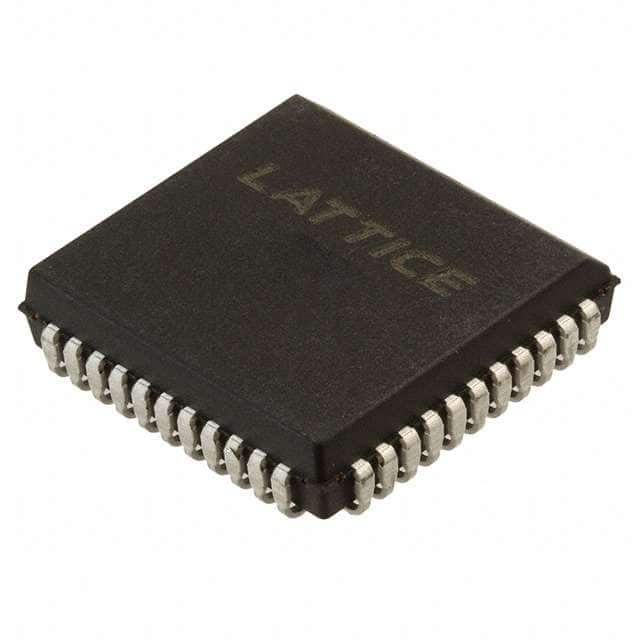
|
ISPLSI 2032A-180LJ44 | 40082 | Lattice Semiconductor Corporation | IC CPLD 32MC 5NS 44PLCC | 44-LCC (J-Lead) |
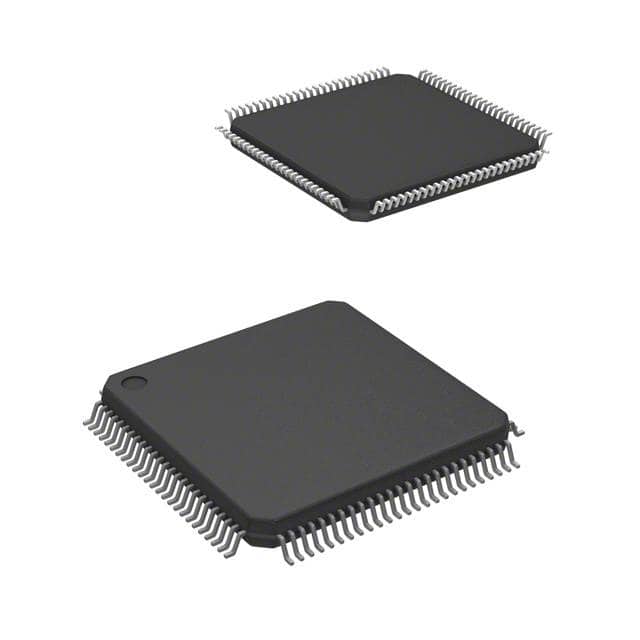
|
M5-128/68-7VI/1 | 40078 | Lattice Semiconductor Corporation | IC CPLD 128MC 7.5NS 100TQFP | 100-LQFP |
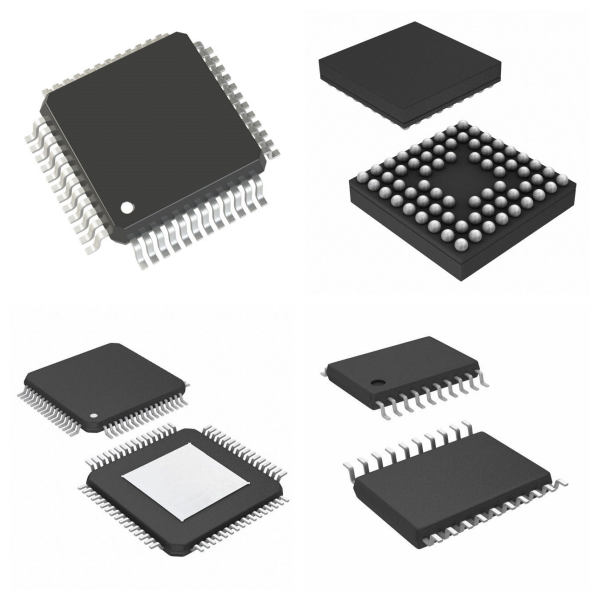
|
GAL22V10D-15LP | 55330 | Lattice Semiconductor Corporation | IC PLD 10MC 15NS 24DIP | 24-DIP (0.300", 7.62mm) |
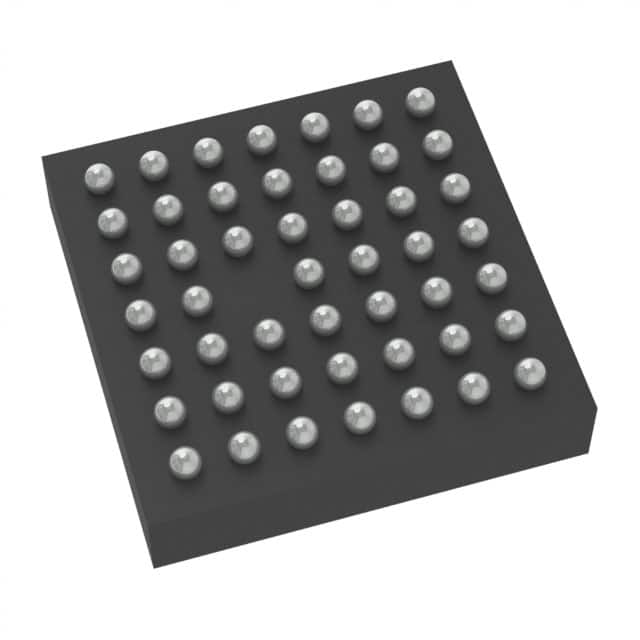
|
XCR3064XL-7CSG48I | 32983 | AMD | IC CPLD 64MC 7NS 48CSBGA | 48-FBGA, CSPBGA |
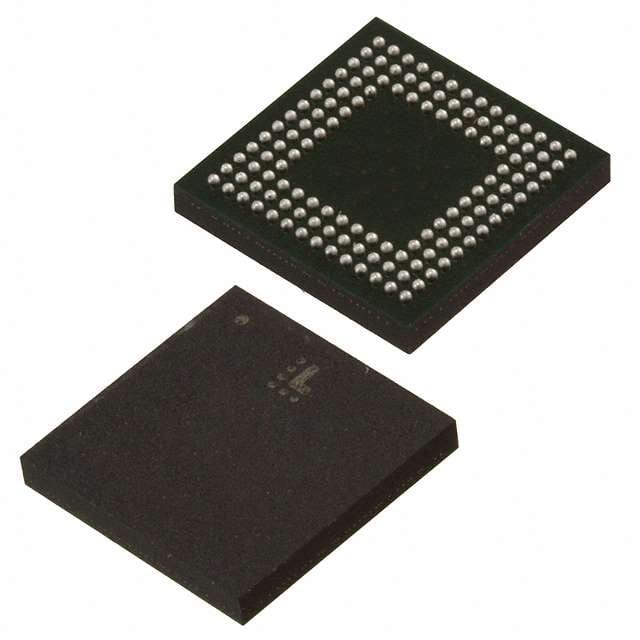
|
LC4256ZC-75MN132C | 17535 | Lattice Semiconductor Corporation | IC CPLD 256MC 7.5NS 132CSBGA | 132-LFBGA, CSPBGA |
|
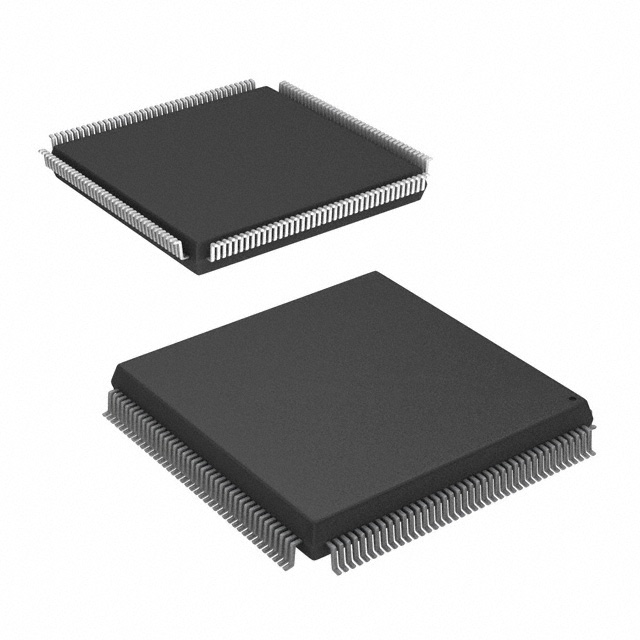
ATF1508ASL-25QC160 | 39182 | Microchip Technology | IC CPLD 128MC 25NS 160QFP | 160-BQFP |
|
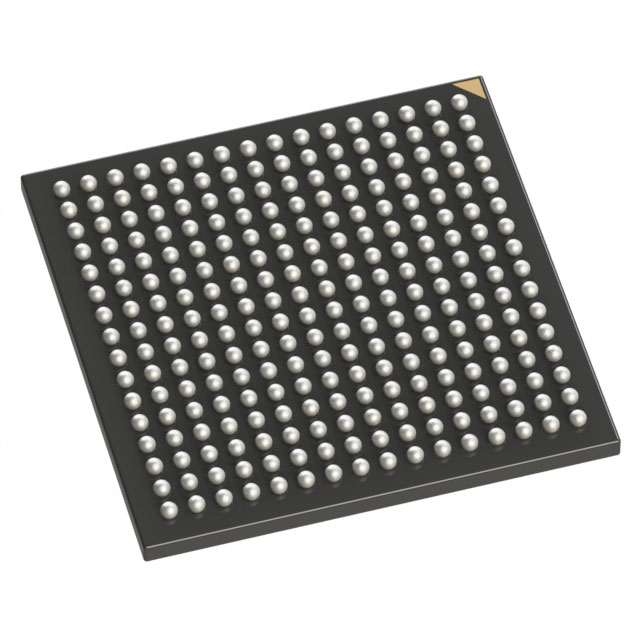
M5-320/192-15SAI | 18853 | Lattice Semiconductor Corporation | IC CPLD 320MC 15NS 256SBGA | 256-LBGA |
|
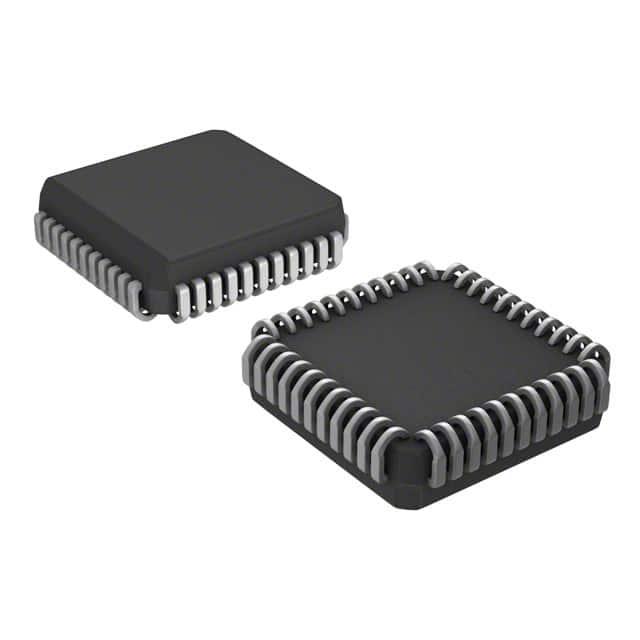
ISPLSI 1016EA-200LJ44 | 51527 | Lattice Semiconductor Corporation | IC CPLD 64MC 4.5NS 44PLCC | 44-LCC (J-Lead) |
|
|
M570F11NBA | 53490 | Intel | IC CPLD 440MC 100FBGA | 100-LBGA |
|
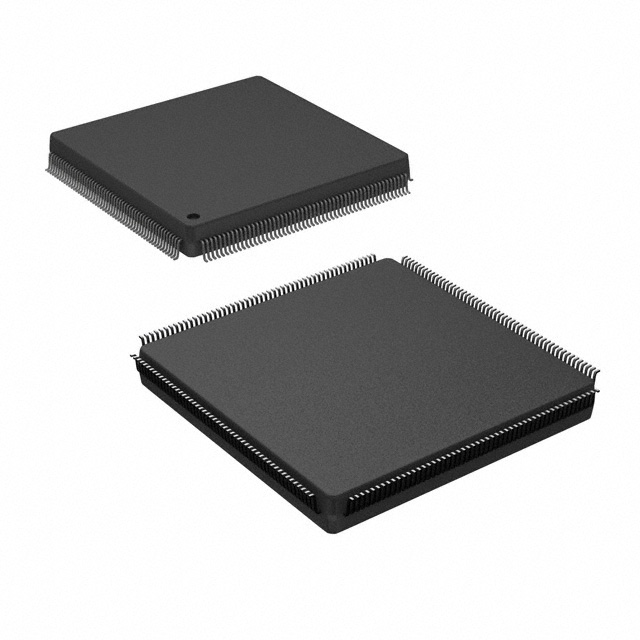
XC2C384-10PQ208C | 12086 | AMD | IC CPLD 384MC 9.2NS 208QFP | 208-BFQFP |
|
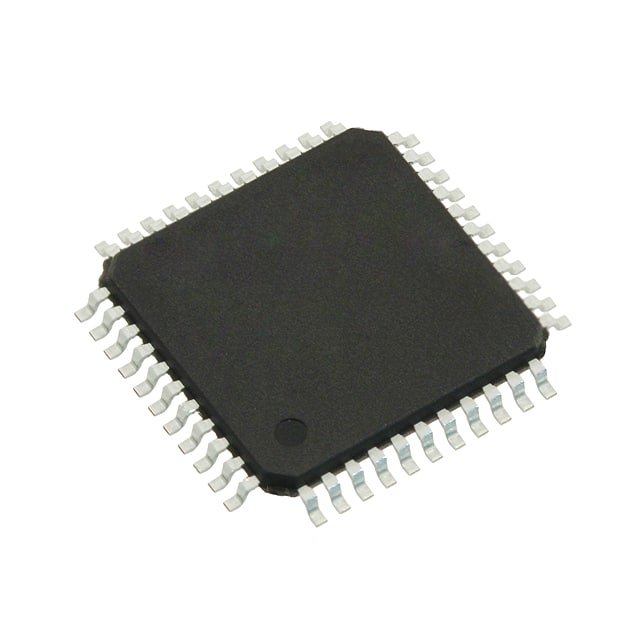
XC9572XL-10VQ44I | 50261 | AMD | IC CPLD 72MC 10NS 44VQFP | 44-TQFP |
|
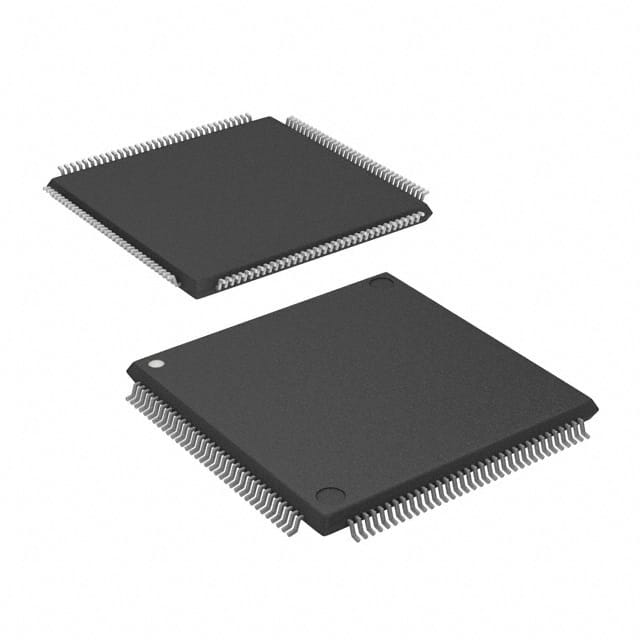
LC4128ZE-5TN144C | 880 | Lattice Semiconductor Corporation | IC CPLD 128MC 5.8NS 144TQFP | 144-LQFP |
|
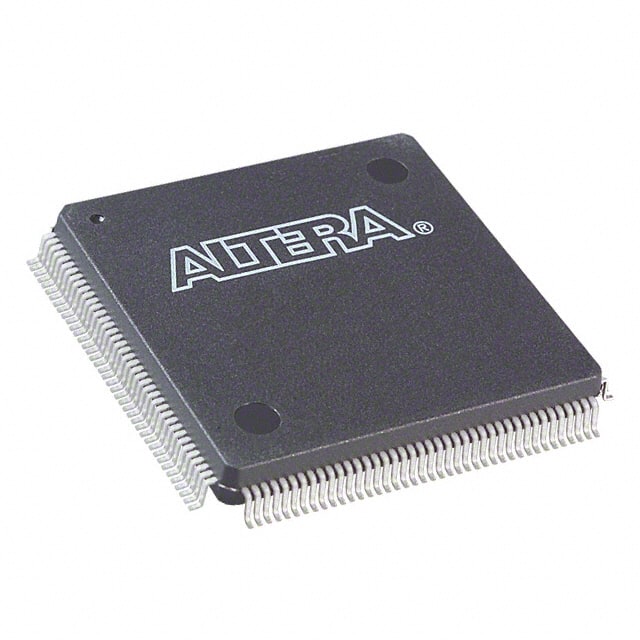
EPM7192SQC160-15F | 43530 | Intel | IC CPLD 192MC 15NS 160QFP | 160-BQFP |
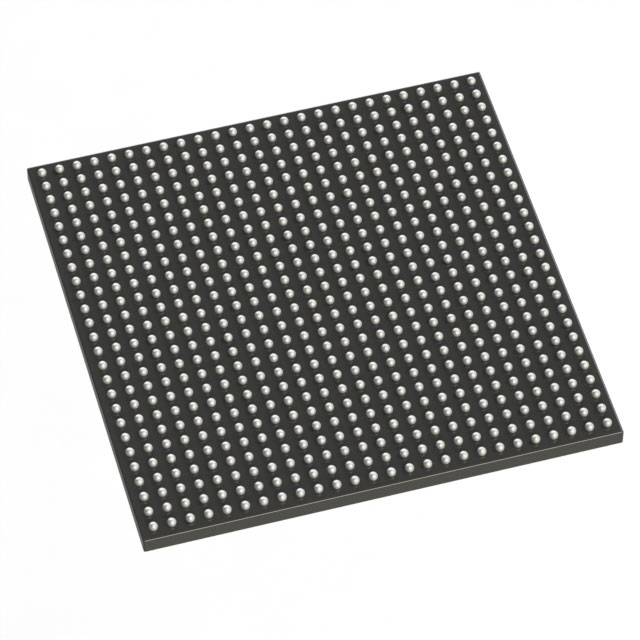
|
EPM7128BFC169-4 | 28794 | Intel | IC CPLD 128MC 4NS 169UBGA | 169-LFBGA |
|
|
EPM7064SLC44-10N | 46896 | Intel | IC CPLD 64MC 10NS 44PLCC | 44-LCC (J-Lead) |
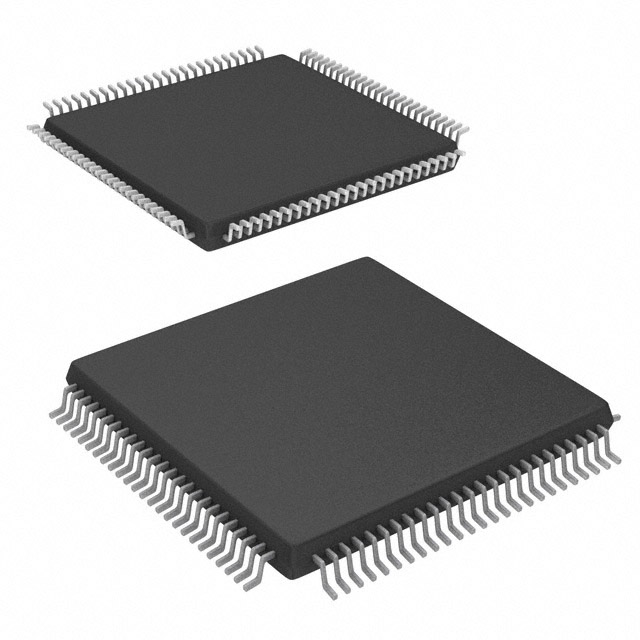
|
EPM240T100I5 | 29946 | Intel | IC CPLD 192MC 4.7NS 100TQFP | 100-TQFP |
|
|
EPM7192SQC160-7N | 1325 | Intel | IC CPLD 192MC 7.5NS 160QFP | 160-BQFP |
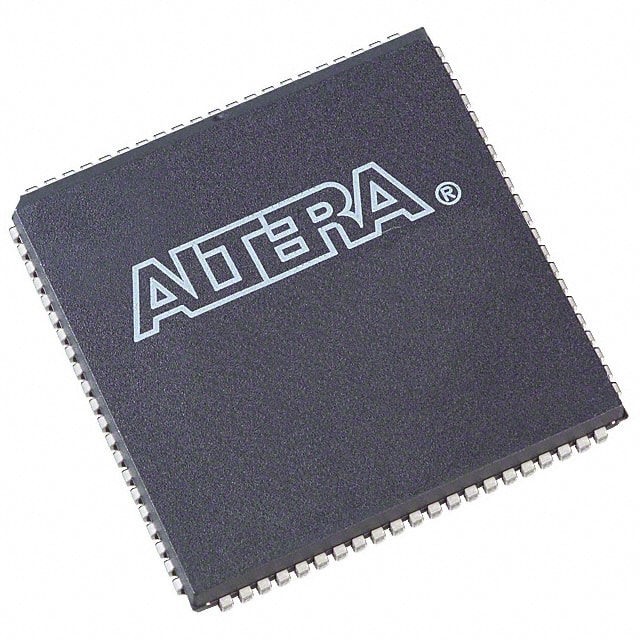
|
EPM7064LI84-15 | 35201 | Intel | IC CPLD 64MC 15NS 84PLCC | 84-LCC (J-Lead) |
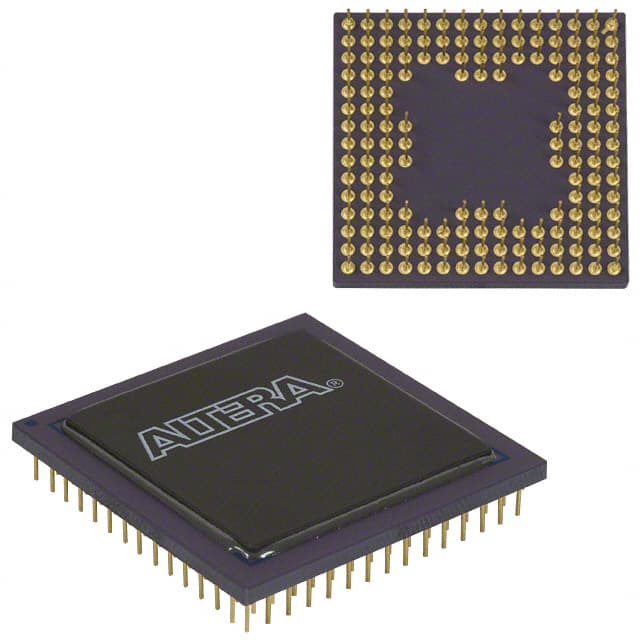
|
EPM7192EGC160-15 | 48823 | Intel | IC CPLD 192MC 15NS 160PGA | 160-BPGA |
|
|
EPM240GT100C5TT | 18642 | Intel | IC CPLD 192MC 4.7NS 100TQFP | 100-TQFP |

CPLDs (Complex Programmable Logic Devices)
1. What are Complex Programmable Logic Devices?
CPLD (Complex Programmable Logic Device) is a digital integrated circuit with user-defined logic functions. It was developed from the early PAL (Programmable Array Logic) and GAL (General Array Logic) and belongs to the category of large-scale integrated circuits. It was born in the mid-1980s to make up for the defect that early PLD devices could not realize complex circuits.
2. What are the Core Structural Features of Complex Programmable Logic Devices?
Logic Unit: It is composed of multiple programmable logic macrocells (Macro Cells). Each macrocell can process dozens of combinational logic inputs and is suitable for implementing complex combinational logic such as decoders.
Interconnection Resources: Logic units are connected through a central programmable interconnect matrix to provide flexible wiring capabilities.
I/O Resources: It integrates rich input/output pins and supports an efficient interface with external circuits.
3. What are the Technical Features of Complex Programmable Logic Devices?
Programming Technology: It adopts non-volatile storage technology based on EEPROM or Flash. After programming, data will not be lost when power is off, and it supports multiple updates in-system programming (ISP).
Performance Advantages: It has the characteristics of high-density integration, low power consumption, and high reliability, and is suitable for scenarios with high real-time requirements.
4. What are the Key Differences from FPGA?
|
Features |
CPLD |
FPGA |
|
Structural Basis |
Product term technology, macrocell structure |
Lookup table technology (LUT) |
|
Configuration Storage |
On-chip integrated EEPROM/Flash |
External configuration memory required |
|
Applicable Scenarios |
Complex combinational logic, control intensive |
Data-intensive, high-performance computing |
|
Granularity |
Large granularity (macrocell level) |
Medium granularity (LUT level) |
5. What are the Application Advantages of Complex Programmable Logic Devices?
Development Efficiency: Rapid design through schematics or hardware description language (HDL), shortening the development cycle and lowering the hardware experience threshold.
Cost-effectiveness: No tape-out cost, suitable for small and medium-scale production (such as less than 10,000 pieces) and prototype verification.
Flexibility: Repeatable programming to modify logic functions, widely used in communications, industrial control, automotive electronics, and other fields.
As a key component in digital system design, CPLD balances flexibility, integration, and cost, and is the preferred solution for the implementation of small and medium-scale logic circuits.