
|
Images
|
Mfr.Part #
|
In Stock
|
Manufacturer
|
Description
|
Package
|
|---|---|---|---|---|---|
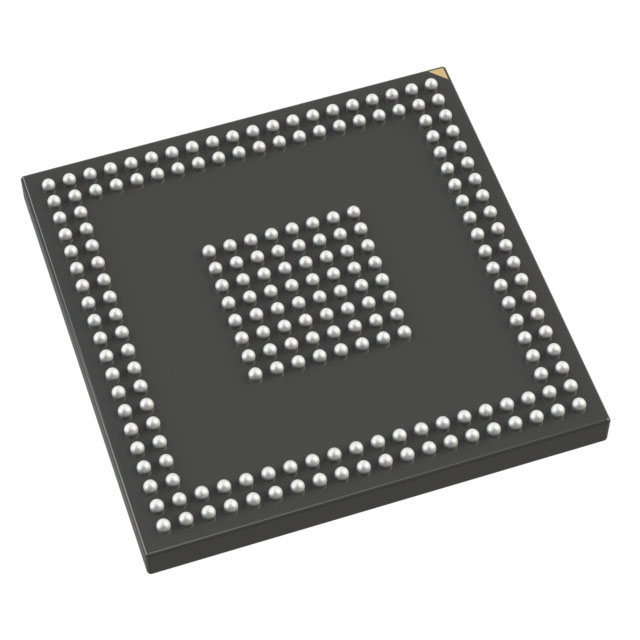
|
ADSP-BF526BBCZ-4A | 27702 | Analog Devices Inc. | IC DSP CTRLR 400MHZ 208CSBGA | 208-FBGA, CSPBGA |
|
LA7567BM-TRM-E-ON | 19412 | onsemi | TV AND VCR VIF/SIF IF SIGNAL-PRO | Bulk |
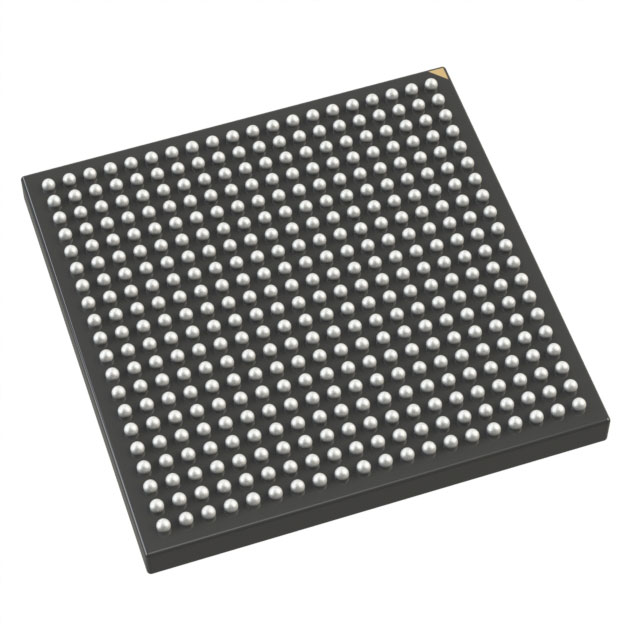
|
AD21573WCBCZ502 | 17970 | Analog Devices Inc. | ADSP-21573, 500MHZ | 400-LFBGA, CSPBGA |
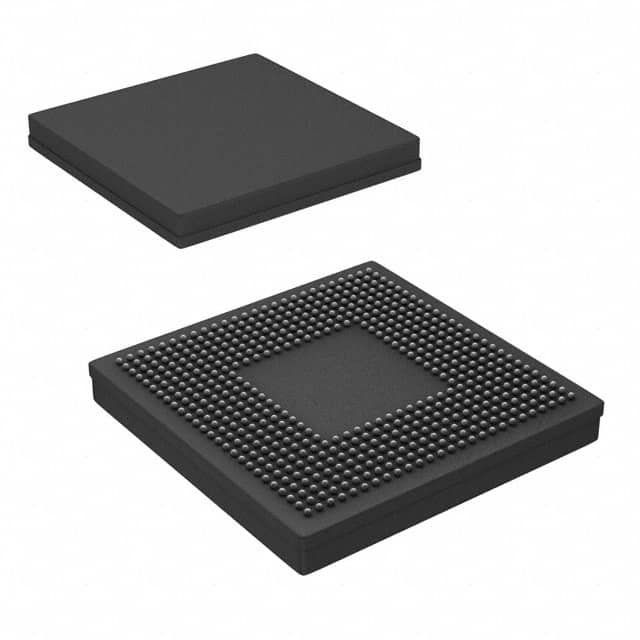
|
TMS32C6415EGLZA5E0 | 27272 | Texas Instruments | IC FIXED POINT DSP 532-FCBGA | 532-BFBGA, FCBGA |
|
|
LA75525VA-TLM-E-ON | 30800 | onsemi | VIF/SIF SIGNAL-PROCESSING IC FOR | Bulk |
|
|
CS47L63-CWZR | 37113 | Cirrus Logic Inc. | CS47L63 IC | 61-UFBGA, WLCSP |
|
|
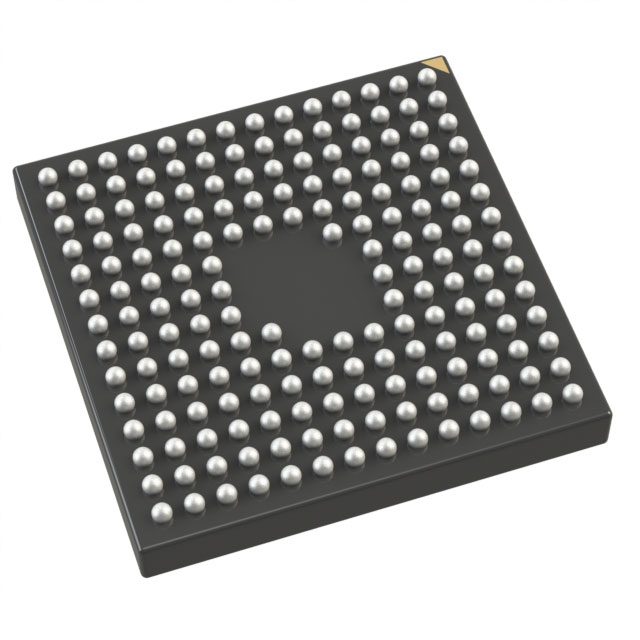
ADSC572WCBCZ302 | 41754 | Analog Devices Inc. | ADSP-SC572 REV 0.2 300MHZ | 400-LFBGA, CSPBGA |
|
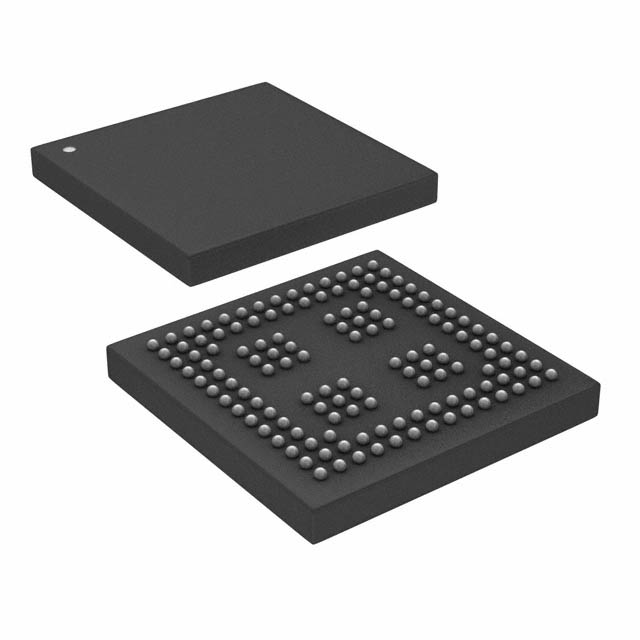
ADSP-BF534BBCZ-4A | 40602 | Analog Devices Inc. | IC DSP CTLR 16BIT 182CSBGA | 182-LFBGA, CSPBGA |
|
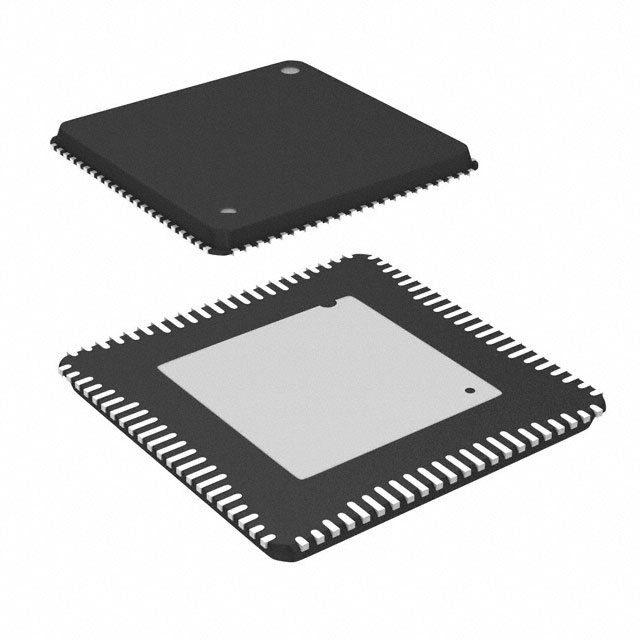
ADSP-21363KBCZ-1AA | 28991 | Analog Devices Inc. | IC DSP 32BIT 333MHZ 136CSBGA | 136-LFBGA, CSPBGA |
|
ADAU1463WBCPZ300 | 38928 | Analog Devices Inc. | 32BIT SIGMADSP AUDIO 16K/48K | 88-VFQFN Exposed Pad, CSP |
|
|
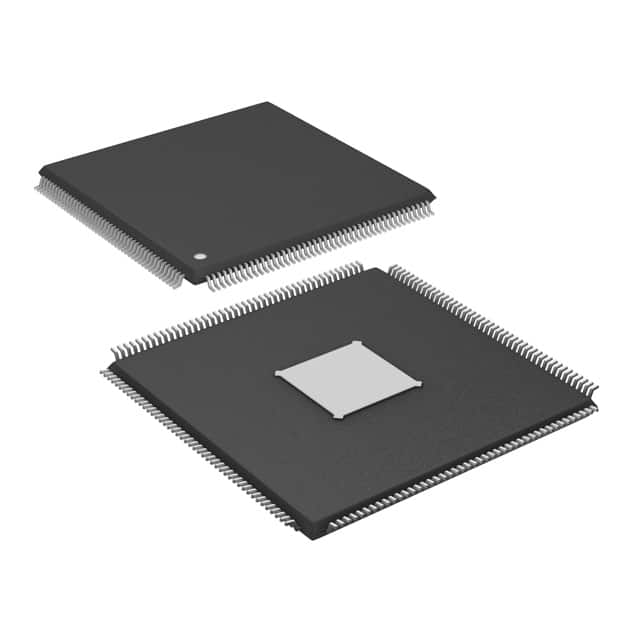
ADSP-BF523BBCZ-5A | 44717 | Analog Devices Inc. | IC DSP 16BIT 533MHZ 208CSBGA | 208-FBGA, CSPBGA |
|
ADSP-SC571KSWZ-5 | 38345 | Analog Devices Inc. | ARM, 2X SHARC, LQFP PACKAGE, 500 | 176-LQFP Exposed Pad |
|
|
ADSP-BF525BBCZ-5A | 23541 | Analog Devices Inc. | IC DSP CTRLR 16B 533MHZ 208BGA | 208-FBGA, CSPBGA |
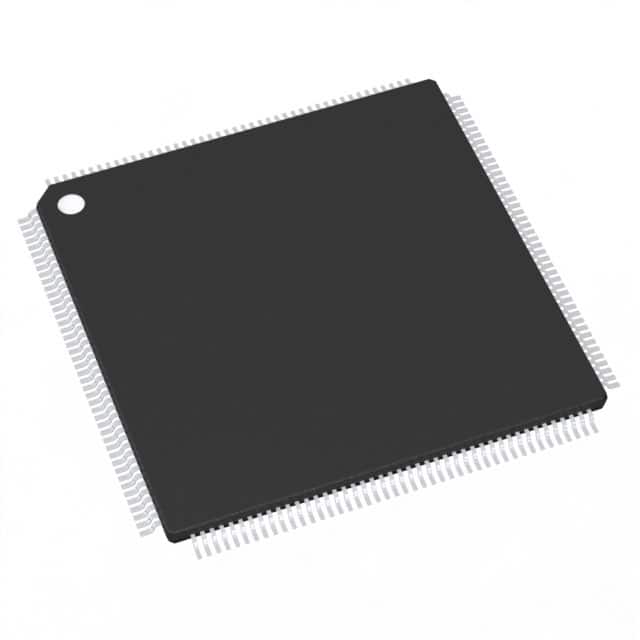
|
TMS320C6745DPTPD4 | 19396 | Texas Instruments | IC DSP FIX/FLOAT POINT 176HLQFP | 176-LQFP Exposed Pad |
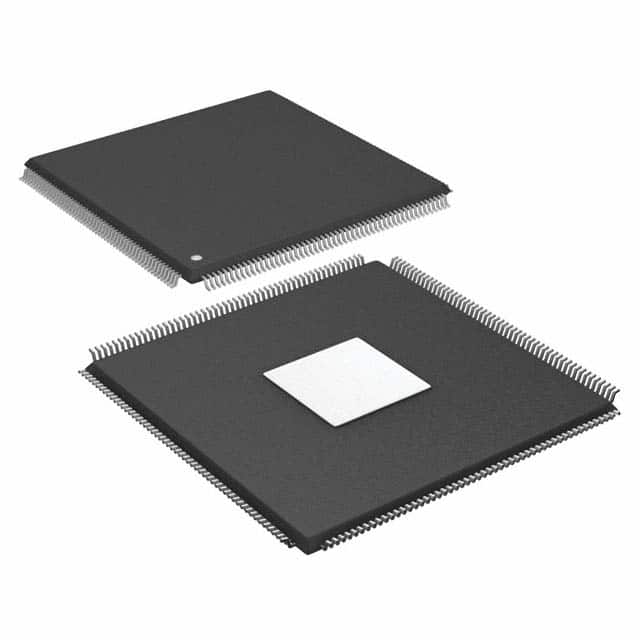
|
ADSP-21371KSWZ-2B | 16055 | Analog Devices Inc. | IC DSP 32BIT 266MHZ 208-LQFP | 208-LQFP Exposed Pad |
|
|
ADSC572WCBCZ402 | 29515 | Analog Devices Inc. | ADSP-SC572 REV 0.2 450MHZ | 400-LFBGA, CSPBGA |
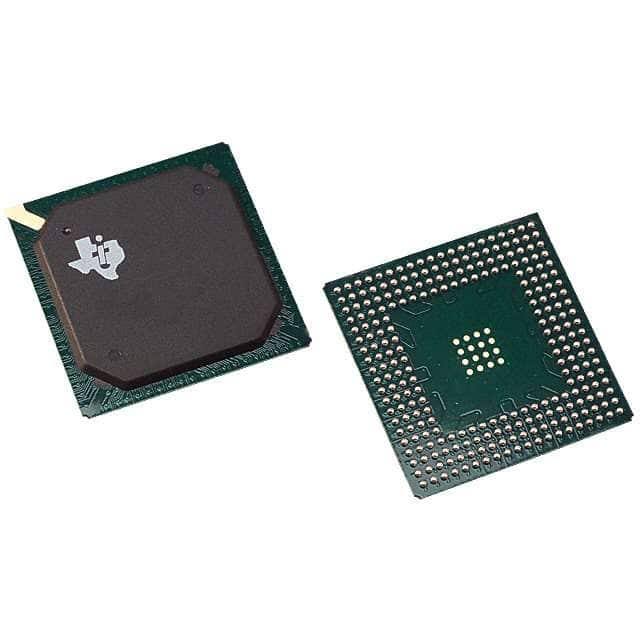
|
TMS320C6747DZKB3 | 44911 | Texas Instruments | IC DSP FIX/FLOAT POINT 256BGA | 256-BGA |
|
|
ADSP-21571KSWZ-5 | 38865 | Analog Devices Inc. | 500 MHZ 2X SHARC, LQFP PACKAGE | 176-LQFP Exposed Pad |
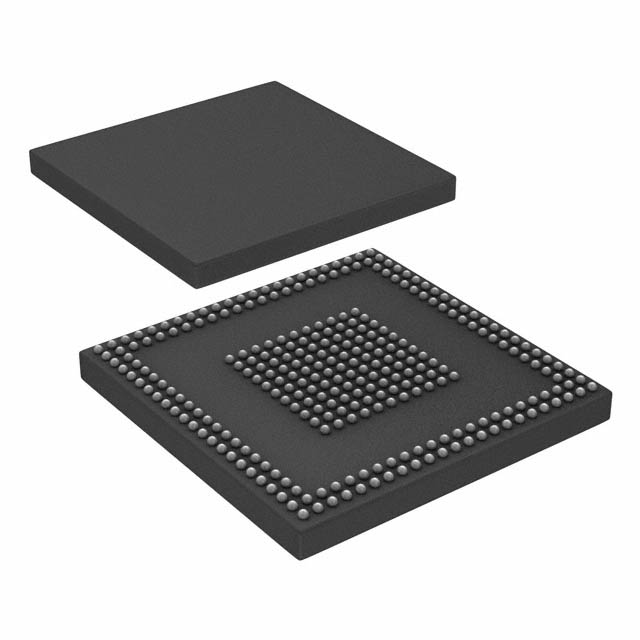
|
ADSP-BF525ABCZ-5 | 37712 | Analog Devices Inc. | IC DSP CTRLR 16B 533MHZ 289BGA | 289-LFBGA, CSPBGA |
|
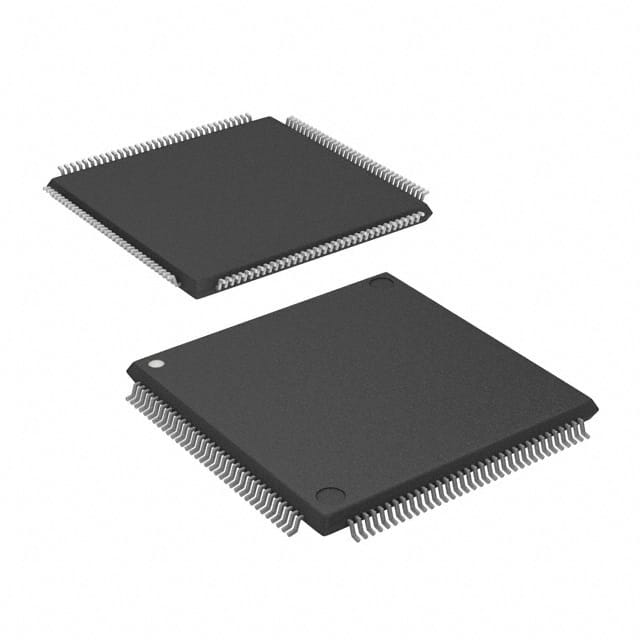
TMS320VC5402APGE16 | 29090 | Texas Instruments | IC DSP FIXED POINT 144-LQFP | 144-LQFP |

DSP (Digital Signal Processors)
1. What are DSP (Digital Signal Processors)?
DSP (Digital Signal Processor) is a microprocessor designed for high-speed digital signal processing algorithms. It performs filtering, compression, enhancement, and other operations by processing the digital sequence converted from analog signals in real-time. It is widely used in communications, medicine, consumer electronics, and other fields. Its essence is to process real signals in digital form to extract and convert information.
2. What are the Core Hardware Features of DSP (Digital Signal Processors)?
Harvard Structure
The program and data storage space are independent, supporting parallel execution of instruction reading and data operations, significantly improving throughput efficiency.
Dedicated Hardware Acceleration Unit
Built-in hardware multiplier (MAC), single-cycle multiplication and addition operations, suitable for intensive calculations such as matrix operations and Fourier transforms.
Multi-address generator reduces memory access bottlenecks.
Pipeline Technology
Instructions are decomposed into multi-stage parallel processing such as instruction fetch, decoding, and execution to achieve efficient pipeline operations.
Low-latency Response
Fast interrupt processing and hardware I/O support to meet scenarios with high real-time requirements (such as industrial control).
3. What are the Typical Application Scenarios of DSP (Digital Signal Processors)?
1) Communications
Processing fiber dispersion and polarization interference in optical communications to achieve signal recovery and equalization.
2) Consumer Electronics
Audio Processing: frequency division management, delay correction, and EQ adjustment of car audio (such as DSP amplifier);
Wearable Devices: For example, the ATS3085L chip of Actions Technology equipped with an Honor bracelet realizes health monitoring and low-power operation through MCU+DSP dual-core heterogeneous design.
3) Embedded System
Combined with SBC (single-board computer) to enhance data processing capabilities, used for complex tasks such as aerospace and industrial control.
4) Image and Automation
The advantages of floating-point operations and matrix processing are suitable for machine vision, motor control, etc.
4. Technology Evolution and Trends of DSP (Digital Signal Processors)
Heterogeneous Integration: Modern DSPs are often combined with MCU/ARM cores (such as TI J6/J7), taking into account general computing and special processing capabilities.
Energy Efficiency Optimization: Low power consumption design promotes its penetration in the Internet of Things and wearable devices (such as Actions chip power consumption <150μA).
5. Summary
DSP has become the core device of digital technology with its customized hardware architecture and real-time processing capabilities, covering all scenarios from high-end communication equipment to daily consumer electronics, and continuously promoting the innovation of signal processing technology.
6. DSP (Digital Signal Processors) FAQs
1) How to deal with excessive power ripple?
Adding capacitor filtering can effectively suppress power ripple while ensuring that the reference power supply and analog power supply are pure.
2) Is the external crystal oscillator active or passive?
It is recommended to use a passive crystal rather than an active crystal oscillator to ensure clock stability.
3) Multi-DSP system clock synchronization solution?
Use a dedicated clock chip to unify the clock source to avoid timing confusion.
4) A/D conversion accuracy assurance measures?
It is necessary to independently purify the analog power supply and reference power supply to reduce noise interference.